One comfort goal.
Different engineering briefs.
A sleeper cab, a living area and a passenger compartment present different loads and installation constraints. Our current parking A/C range provides documented model configurations; custom vehicle HVAC begins with a review of the wider system and its interfaces.
01 / TRUCK FLEETS
Sleeper-cab comfort for the rest window.
For US tractor-trailer fleets planning a 12V installation, begin with the sleeper layout and the off-engine operating period. Check the selected model’s input against the auxiliary battery system, charging strategy and other loads. A truck model name alone is not proof of installation compatibility.
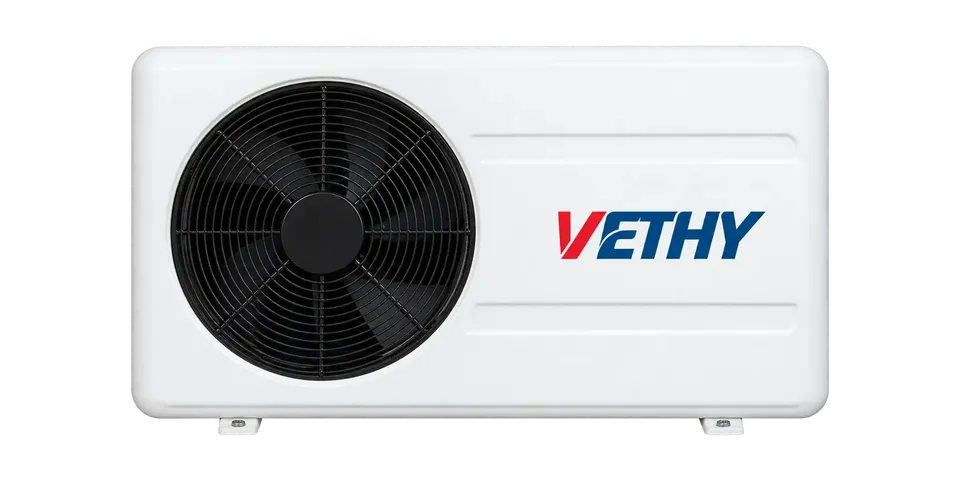
VX3000SP is a split cooling system. EcoMax 3S offers documented cooling and heating configurations. Both have separate 12V and 24V specification records; select the actual configuration before calculating cable, protection or battery requirements.
Bring these details to the review
- Cabin volume, insulation, glazing and expected ambient conditions
- Outdoor mounting, cabin-unit position, condensate route and service access
- Rest period, battery capacity, charging method and operating reserve
- Pilot vehicles, installation responsibility and acceptance conditions
02 / RVs & MOBILE LIVING
Comfort around the living space.
An RV project combines sleeping and living zones with limited roof space and a shared electrical budget. Review the roof structure, opening, clearance, solar-panel positions and indoor air path together. Roof-mounted and split systems impose different packaging requirements.

VS02-PRO is the first rooftop model to review in the current range; NANO MAX offers another documented package size. Compare the actual dimensions, refrigerant and voltage-specific ratings. Roof opening, mounting hardware and vehicle fit must be confirmed for the installation.
Bring these details to the review
- Occupied zones, roof envelope, structure and interior headroom
- 12V or 24V supply, battery limits and other onboard loads
- Air distribution, drainage, weather exposure and service clearance
- Target conditions, rest duration and planned installation checks
03 / BUS & SHUTTLE DEVELOPMENT
Review the whole passenger compartment.
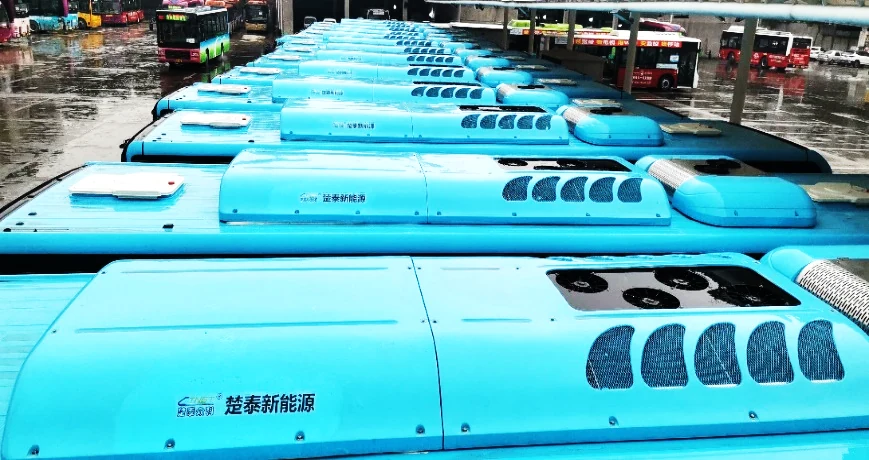
A bus or shuttle inquiry may concern a driver zone, a passenger compartment or integration into an existing HVAC architecture. Occupancy, door-opening frequency, ventilation and heating requirements affect the design brief. Define the zone and duty before comparing capacities.

Where the vehicle already has a refrigeration circuit and controls, an integrated evaporator or heater assembly can be part of the system design. The review must connect coil duty and airflow to the compressor, expansion arrangement, ducting, drainage and control interfaces. The current parking A/C range does not by itself establish suitability for a whole passenger compartment.
Bring these details to the review
- Cabin layout, passenger load and target operating conditions
- Existing cooling, heating and ventilation architecture
- Available package space, duct resistance and condensate drainage
- Interface ownership, drawing inputs and evaluation responsibilities
04 / SPECIAL VEHICLES
Design around the working environment.
An operator cabin in construction, agricultural or another specialist vehicle needs a design review around its operating environment. Dust, vibration, solar exposure, available space and service access can matter as much as a nominal cooling rating. Document the conditions the system is expected to encounter.
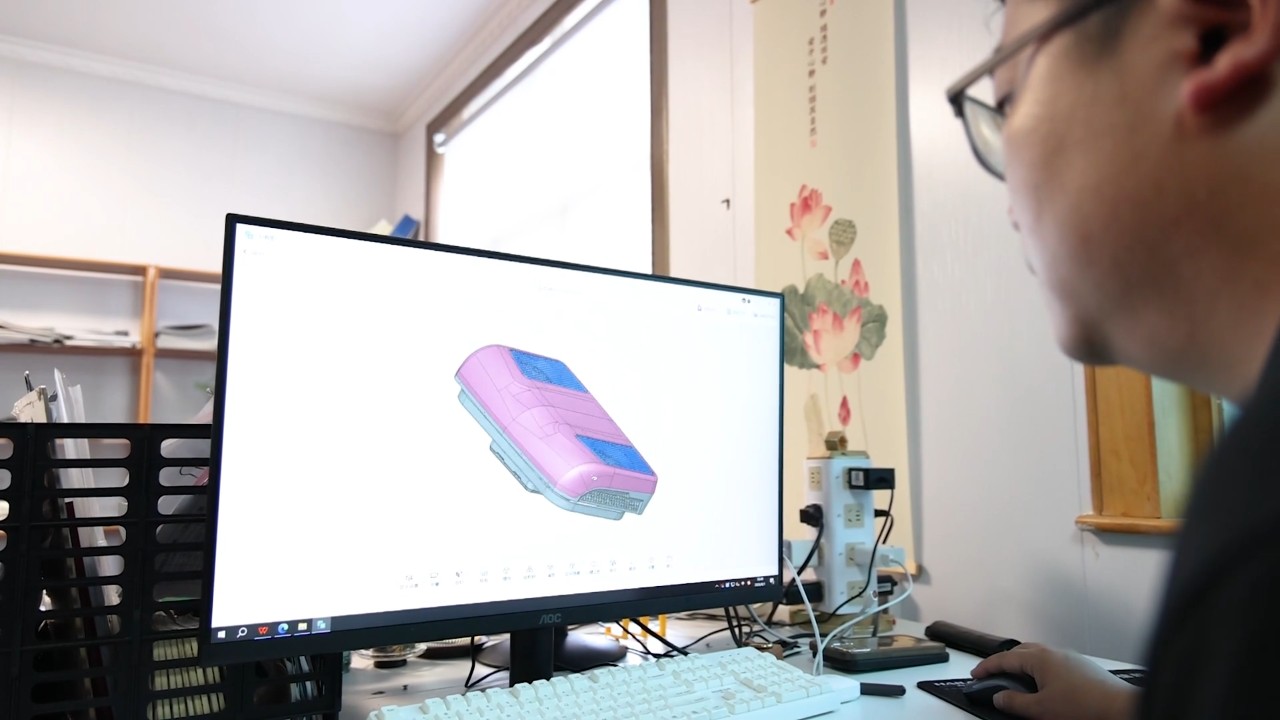
Begin with the cabin comfort target, the vehicle power supply and the installation envelope. Discuss filtration or pressurization requirements if they apply, plus mounting and control responsibilities. Required vibration, corrosion, noise or environmental evaluations belong in the agreed project scope.
Bring these details to the review
- Operating climate, shift duration and cabin layout
- Dust exposure, filtration needs and maintenance access
- Mounting loads, supply range, harness routes and control signals
- Prototype scope, evaluation conditions and acceptance criteria
For procurement teams: specify the vehicle, destination market, quantity, supply voltage, installation envelope and required documents. Product fit, development scope, test requirements and commercial terms are agreed for the particular project.