SPLIT SYSTEM / COOLING12V DC
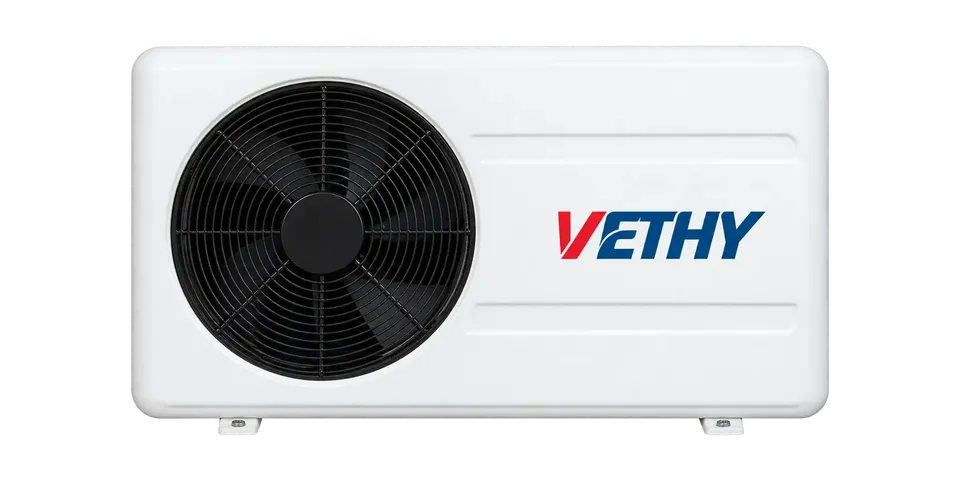
VX3000SP
A dedicated split cooling system for your next truck project.
- Rated cooling · 12V
- 7,000 BTU/h
- Rated power · 12V
- 240–500 W
VEHICLE HVAC SPECIALISTS
Vehicle air conditioning, shaped around your application. From cabin requirements and system integration to product development and parking comfort.
VEHICLE HVAC / A SYSTEM PERSPECTIVE
Cabin comfort starts with the right questions: who is inside, how the vehicle works and where the system must fit. VETHY brings those requirements into one HVAC design conversation.
 INSIDE VETHY / PROJECT DISCUSSION
UNDERSTAND THE CABIN
Start with the occupants, climate and working day. Turn cooling, heating and air-distribution needs into a clear vehicle HVAC brief.
Developing a new vehicle platform or rethinking an existing cabin?
Custom vehicle HVAC ↗R&D / DESIGN / PROJECT DEVELOPMENT
See product modeling and design discussions inside VETHY. Explore how the cabin brief, vehicle packaging and control requirements shape the development conversation.
Product modeling and team discussion from VETHY’s development materials.
Our HVAC work connects cabin comfort, airflow, mechanical packaging and the vehicle’s electrical and control interfaces.
START WITH THE APPLICATION
Cabin climate control follows the way a vehicle is used. Explore the application, then start with the right design questions.
PARKING A/C / THE CURRENT RANGE
Two installation approaches, one focus on cabin comfort. Explore split and rooftop systems, then match the model to your vehicle, electrical supply and installation space.
01 / SPLIT PARKING AIR CONDITIONING
A dedicated split cooling system for your next truck project.

Heating and cooling in one split-system configuration.
02 / ROOFTOP PARKING AIR CONDITIONING
A roof-mounted approach to cabin cooling. Explore six rooftop systems with 12V and 24V configurations for your vehicle project.
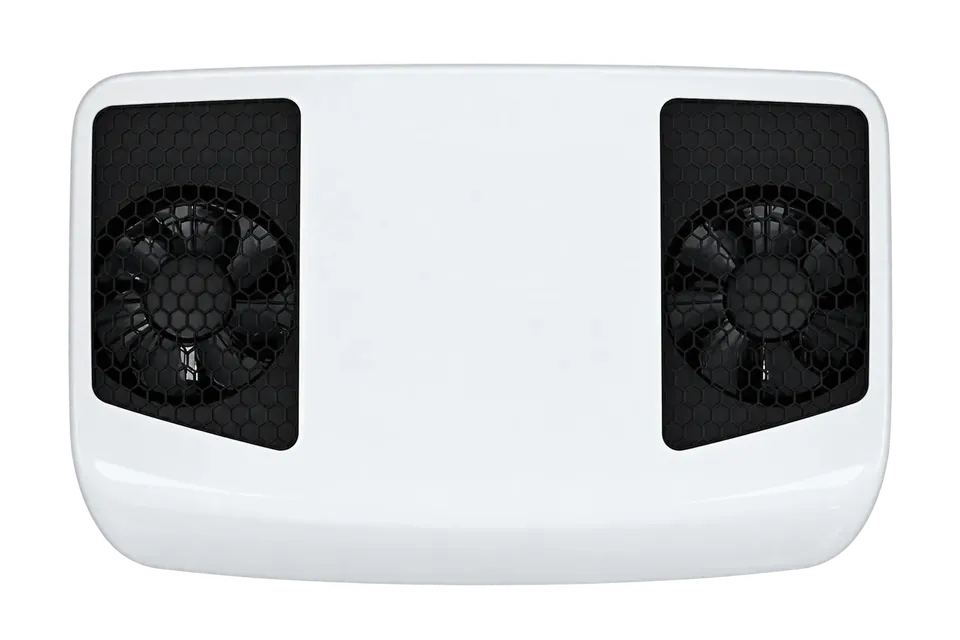
Roof opening, structural support, clearances and power requirements are reviewed for your vehicle.
PARKING A/C / SYSTEM EXPLORER
Get closer to the system. Explore the outdoor unit, the cabin unit and the power behind them.
OUTDOOR UNIT INDOOR UNIT
Check the external mounting space, required clearances and service access for your vehicle.
The split layout places the outdoor and indoor assemblies separately.
See the model specification ↗PARKING A/C / MODEL FINDER
Explore the range by documented configuration. Vehicle fit and installation details are reviewed with your project.
The current rooftop sheets do not list heating ratings. Explore the EcoMax 3S split system, or keep rooftop selected and choose cooling.
04 / PUT SOME NUMBERS BEHIND THE PLAN
Explore an energy budget before choosing a battery setup. Change the assumptions to see what your planned rest window would require.
The load is an editable planning assumption, not a measured average for any model.
Your assumptions leave a 0.16 kWh shortfall.
Usable energy = selected voltage × battery capacity × usable share. Planned demand = entered average AC load × operating hours. Coverage compares those two values.
This simple budget excludes conversion losses, other vehicle loads, battery aging and temperature effects. It is not a runtime guarantee or a battery-installation specification. Cooling demand also depends on ambient conditions, cab insulation and operating settings.
05 / YOUR BUSINESS, YOUR PROGRAM
A fleet rollout, a new distribution line or your own brand. Let’s start with what your project needs.
Build a project brief ↗Start with the truck, the duty cycle and the battery. Review a pilot configuration before planning a wider rollout.
Build a model range around your market. Align the product mix, documentation, spare parts and after-sales needs.
Bring your vehicle platform and project requirements. Discuss integration, branding and the documentation your program needs.
06 / FROM CONVERSATION TO CONFIGURATION
Define what matters before moving to the next decision.
Share the vehicle platform, destination market, voltage and the operating problem you want to solve.
07 / INSIDE VETHY
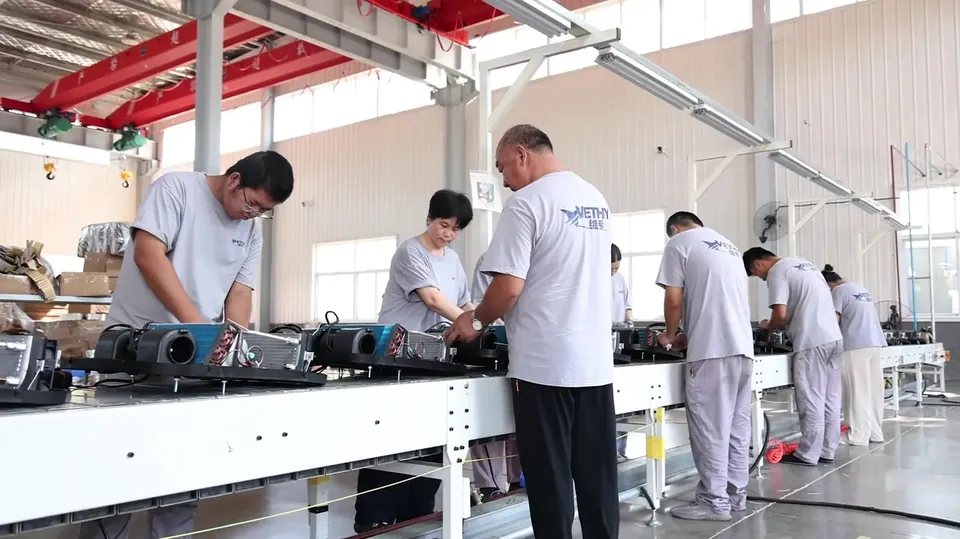
A closer look at assembly, components and testing.
45-second workshop film. Starts muted; use the player controls for sound.
Open video ↗08 / OPEN FOR REVIEW
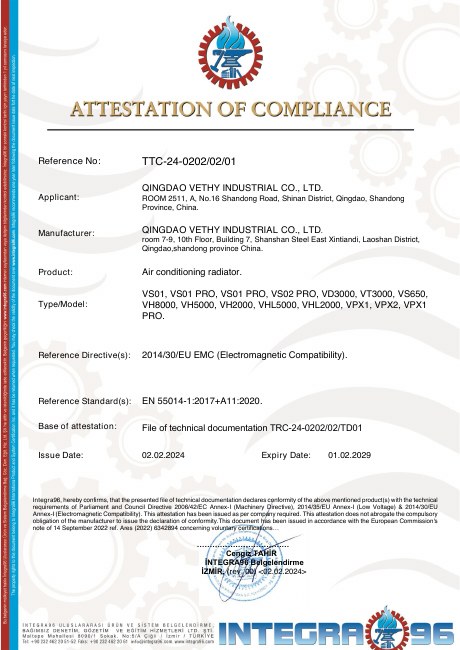
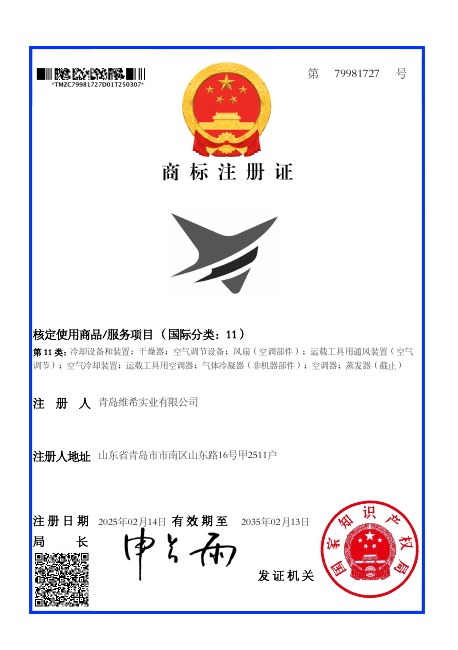
Original certificates and company records, with their scope and printed dates. Ready for a closer look.
View every document ↗09 / A FEW USEFUL ANSWERS
Questions that turn cabin comfort requirements into a clear HVAC project.
Ask about your application ↗Start with the vehicle platform, cabin comfort targets, packaging constraints and existing HVAC architecture. We can discuss the system layout and the design work needed, including any evaporator or heater assembly within that scope. Development and validation responsibilities are agreed for the project. Explore custom vehicle HVAC ↗
Share your vehicle use, cabin layout, operating climate, available power and installation envelope. Existing drawings or an interface specification help define the design boundaries. The next step is to agree feasibility, development responsibilities and the evidence needed to evaluate the solution. See the engineering approach ↗
Voltage is only one part of the review. Mounting space, structural support, cabin-unit placement, cable routing and battery setup also need to match the vehicle. Share the truck model and installation photos so the configuration can be reviewed.
VX3000SP is listed as a cooling system, with 7,000 BTU/h rated cooling in its 12V configuration. EcoMax 3S lists both heating and cooling: 2,200 W rated cooling and 2,000 W rated heating at 12V. Their electrical inputs also differ.
Start with the planned operating hours, expected average electrical load and usable battery energy. Temperature, insulation, other loads and the battery’s condition change the result. The energy planner above helps compare assumptions; the final installation needs a project-specific power review.
A pilot is a useful topic for the initial project discussion. Define the test vehicles, climate, duty cycle and acceptance criteria, then confirm sample availability, quantities and commercial terms with VETHY.
Bring the destination market, target models and voltage, estimated quantities, branding needs, installation scope and parts or service requirements. Confirm which documents, labels and packaging are needed for your project before finalizing a configuration.
Each document has its own issuer, scope, model list and printed validity dates. Review the original record for your project; a company certificate or an attestation for listed models does not automatically cover the whole range. Open the complete document page ↗
10 / LET’S BUILD YOUR NEXT PROGRAM
Tell us about the vehicle, the people inside and the comfort you want to create. We’ll start with the application and the system requirements.
Discuss your project on WhatsApp↗FLEETS / DISTRIBUTORS / OEM PROJECTS