
Define the operating case.
Vehicle, environment, duty cycle, thermal load, air or coolant flow, target temperatures and operating power. Document the conditions behind each target.
ENGINEERING EXPERTISE
We connect the cabin requirement to the HVAC architecture, vehicle interfaces and development plan. Start with the application; define the work around it.
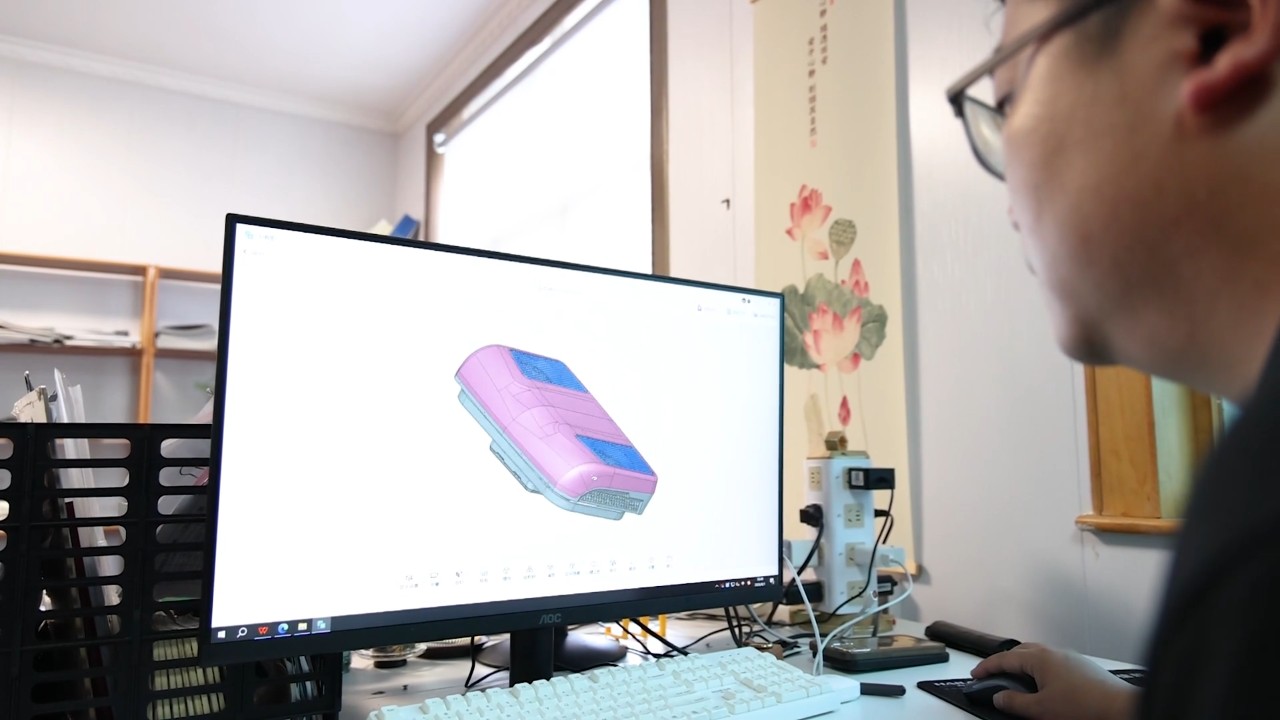
Air temperature is only part of the brief. Available space, air distribution, electrical supply, controls and service requirements need to fit together. We work through those boundaries with your vehicle team.
01 / ENGINEERING DISCIPLINE
Understand the operating case before choosing a configuration.
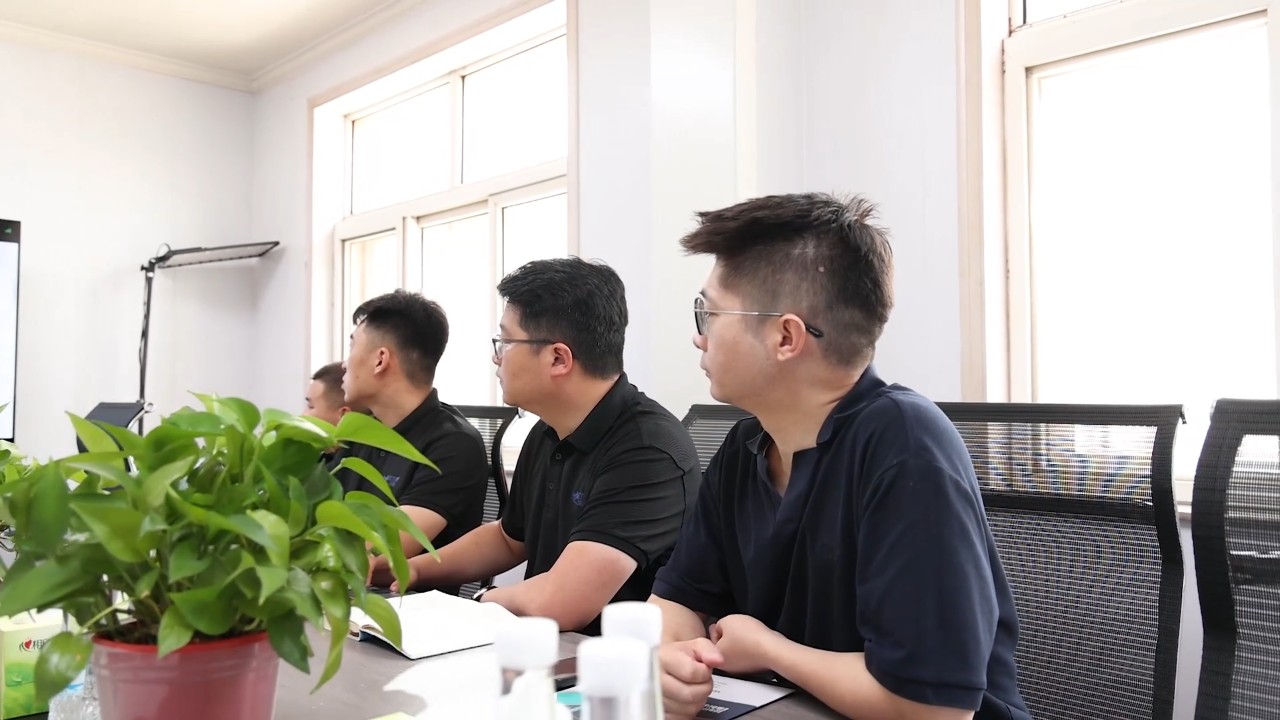
Define who occupies the vehicle, the ambient conditions, the working or rest period, and the areas that need conditioned air.
02 / ENGINEERING DISCIPLINE
Give each system a clear boundary.
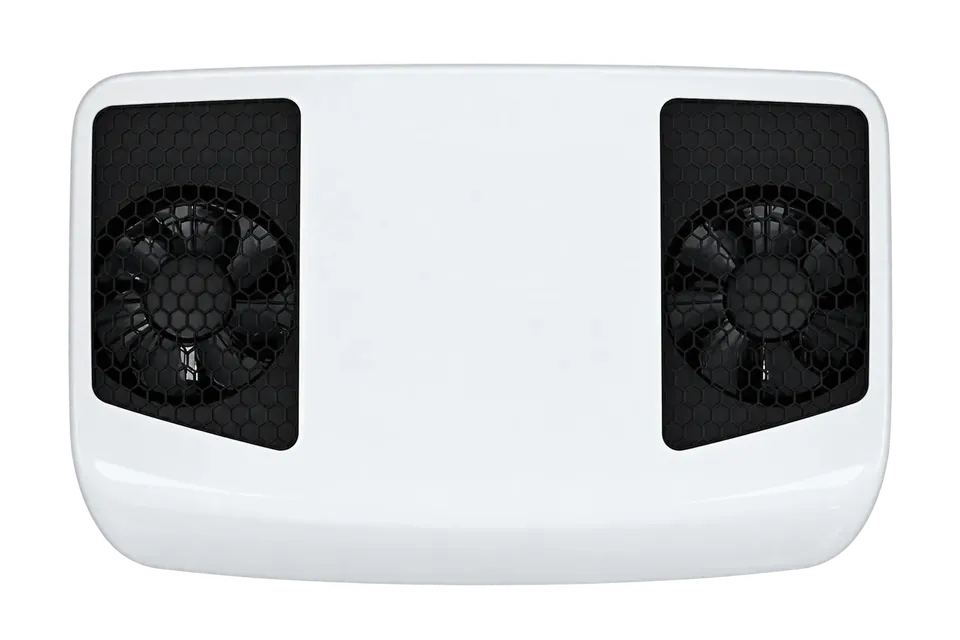
Review whether the program needs a complete parking A/C system or an assembly integrated into the vehicle’s wider HVAC circuit. Map the connected refrigerant, air and energy paths.
03 / ENGINEERING DISCIPLINE
Make the layout work for the vehicle.
Bring the installation envelope, mounting constraints and service requirements into the design discussion. Control interfaces are specified and confirmed for the particular project.
04 / ENGINEERING DISCIPLINE
Define the next evidence, together.
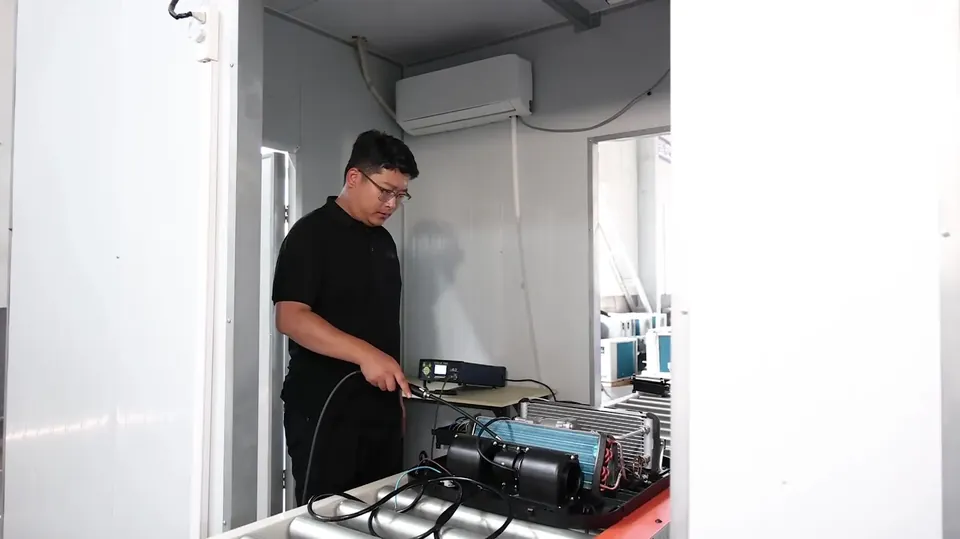
Agree the development responsibilities and what a prototype or pilot must demonstrate. Testing methods, facilities, acceptance criteria and documentation are defined for the project.
A SHARED DEVELOPMENT PATH
Work packages and deliverables are agreed against the project, rather than assumed from a product category.
Vehicle, users, operating conditions and comfort targets.
System architecture, interfaces and installation envelope.
Design scope, prototype requirements and responsibilities.
Evidence, acceptance criteria and the next production decision.
PREPARE FOR AN ENGINEERING REVIEW
You can start with the information available. Mark the unknowns so we can work through them together.
Platform, cabin layout, occupants, destination market and operating cycle.
Climate, cooling or heating target, airflow and occupied zones.
Drawings, mounting points, roof openings, clearances and service access.
Supply voltage, power budget, required signals and existing controls.
Prototype quantities, target timing, documentation and project responsibilities.
The operating conditions and acceptance criteria for the next decision.
YOUR NEXT VEHICLE PROGRAM
Tell us where the system needs to fit, how it will operate and what success looks like.
Discuss on WhatsAppR&D / DESIGN / DEVELOPMENT
Engineering conversations for cabin comfort, vehicle integration and complete parking air-conditioning systems.
VETHY’s development materials show digital product modeling and team design discussions. For a vehicle HVAC project, we start by defining the operating conditions, package space and system interfaces, then agree which design and validation work the project requires.
45-second product development film. Play to view; starts muted.
A good review joins the cooling requirement to the physical layout and the control interface. The system must work in the vehicle, be accessible for service and have a clear basis for evaluation.
Vehicle, environment, duty cycle, thermal load, air or coolant flow, target temperatures and operating power. Document the conditions behind each target.
Review the CAD envelope, mounting, hose connections, airflow path, condensate drainage, electrical connections and service access.
Define the drawing revisions, sample or prototype requirements, test conditions, acceptance criteria and responsibilities before moving to the next stage.
| Workstream | Information to bring | What to agree |
|---|---|---|
| Thermal & airflow | Duty, inlet temperatures, ambient conditions, air / coolant flow and static pressure | Performance targets and the conditions under which they apply |
| Mechanical | Envelope, mounting, connection locations, weight limits and access needs | Layout, interface dimensions and drawing revision |
| Electrical & control | Supply range, current budget, control signals and protection requirements | Supply responsibilities and functional interface definition |
| Validation | Required performance, leak, vibration, corrosion, noise or compliance evaluations | Applicable methods, sample plan, test provider and acceptance criteria |
| Industrialization | Forecast volumes, timing, labeling, packaging and service needs | Tooling, approved configuration and commercial supply scope |