
VETHY / X79 / PRODUCT AND APPLICATION GUIDE
X79 for Fleet and Distributor Programs: Specify the Product You Demonstrate
A strong X79 program keeps the demonstrated product, order description and delivered installation aligned. Record the voltage version, copper component scope, brushless fan package, panel and roof arrangement. Use real model images and a representative vehicle. Expand the program around completed configuration records rather than broad claims about every truck or operating condition.
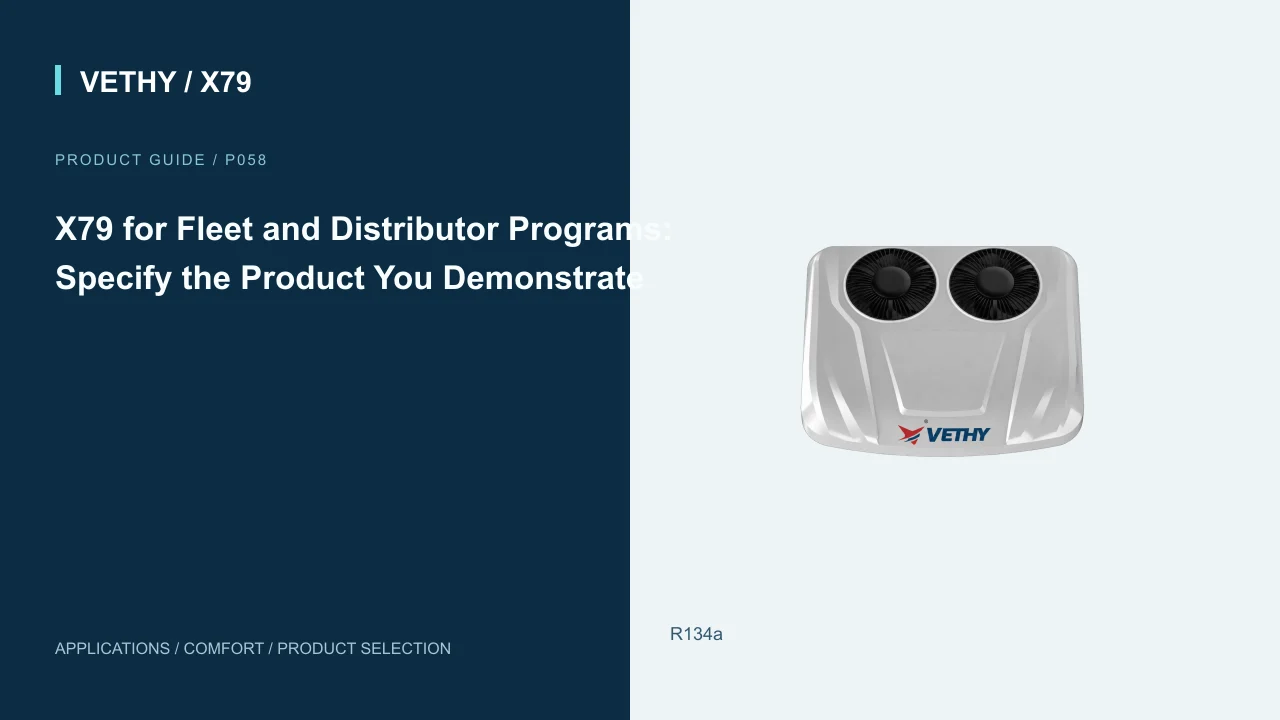
X79 can give a fleet or distributor a clear premium parking cooling offer because the model has a defined feature set. The documented package includes R134a DC inverter twin-rotary cooling, copper evaporator, condenser and refrigerant piping, brushless fans, independent left and right electric oscillation and a 169 mm outdoor product height. A convincing program makes those details visible in the demonstration, quotation and delivered installation.
The practical goal is consistency. A customer should be able to recognize the same product across the website, sample vehicle, order and handover. A fleet should know which configuration it is repeating on the next truck. This guide explains how to build that connection, from selecting the first application to retaining the final records. It keeps X79's real strengths central while making the ordinary commercial and installation decisions clear enough for colleagues to act on.
Choose the first application before building the sales story
A product program should begin with a defined customer use, not a slogan broad enough to cover every vehicle. For X79, identify the truck platform, supply voltage and occupied cooling routine that the first package is intended to serve. A sleeper rest application differs from repeated short loading stops, even if both involve parked comfort.
For a distributor, this starting focus makes the offer easier to explain. The customer sees why the rooftop package is relevant to their cab. For a fleet, it helps select a representative first vehicle and gives the workshop a clear assignment. The demonstration can then address the actual roof, interior and energy arrangement instead of relying on a generic product display.
The X79 product guide collection supports the wider model story. The program itself should add application detail: which version is being offered, what installation scope is proposed and what the first vehicle will demonstrate. This is a practical way to position X79 confidently. Its documented features are already substantial, and a focused application gives each one a clear role rather than asking the customer to assume the same benefit in every truck.
Define a configuration that purchasing can repeat
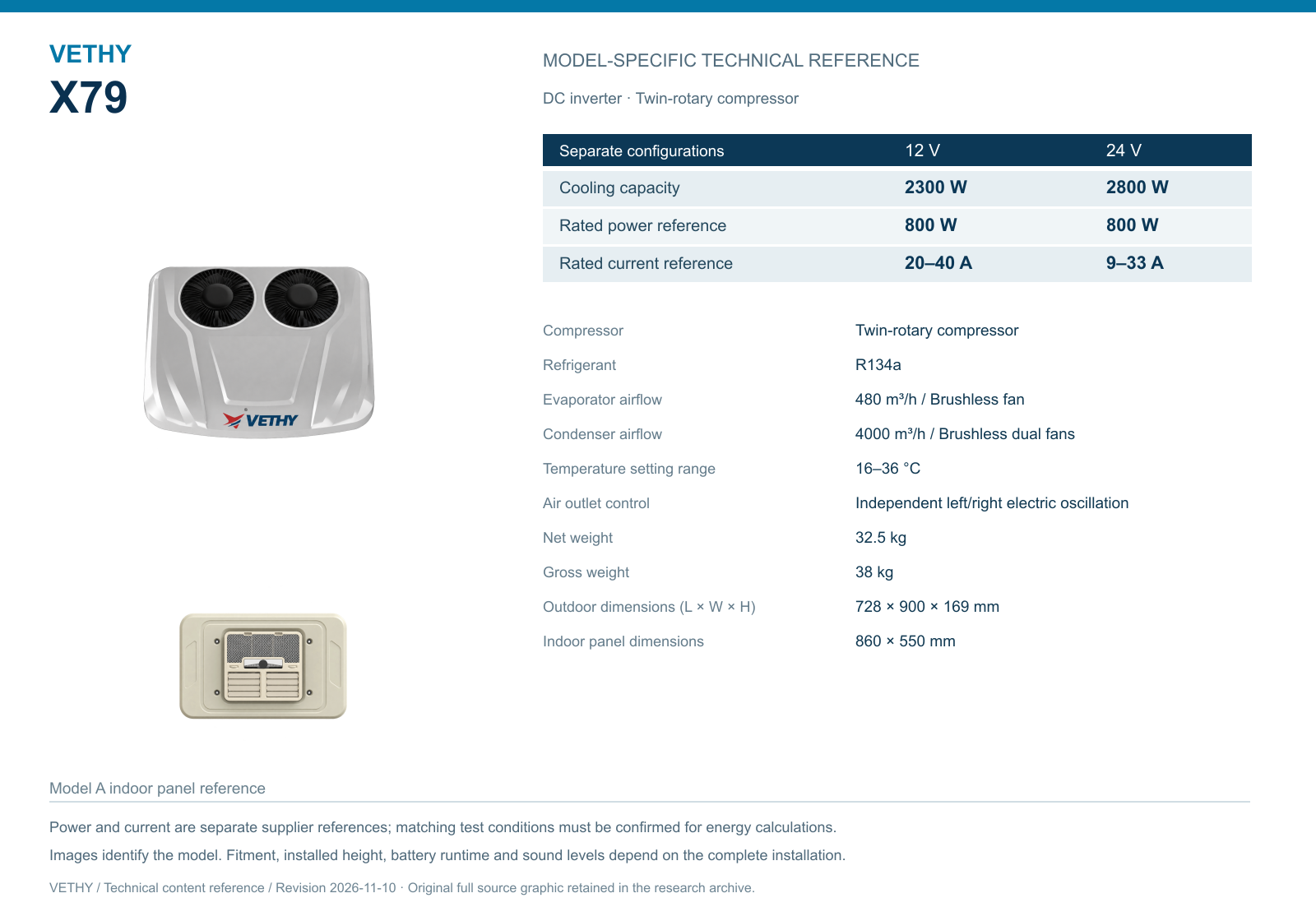
A repeatable description includes X79, the voltage version and the corresponding cooling reference. The 12V version lists 2300 W cooling, while the 24V version lists 2800 W. Keep those details attached to the order rather than allowing the model name to stand alone when several vehicle platforms are involved.
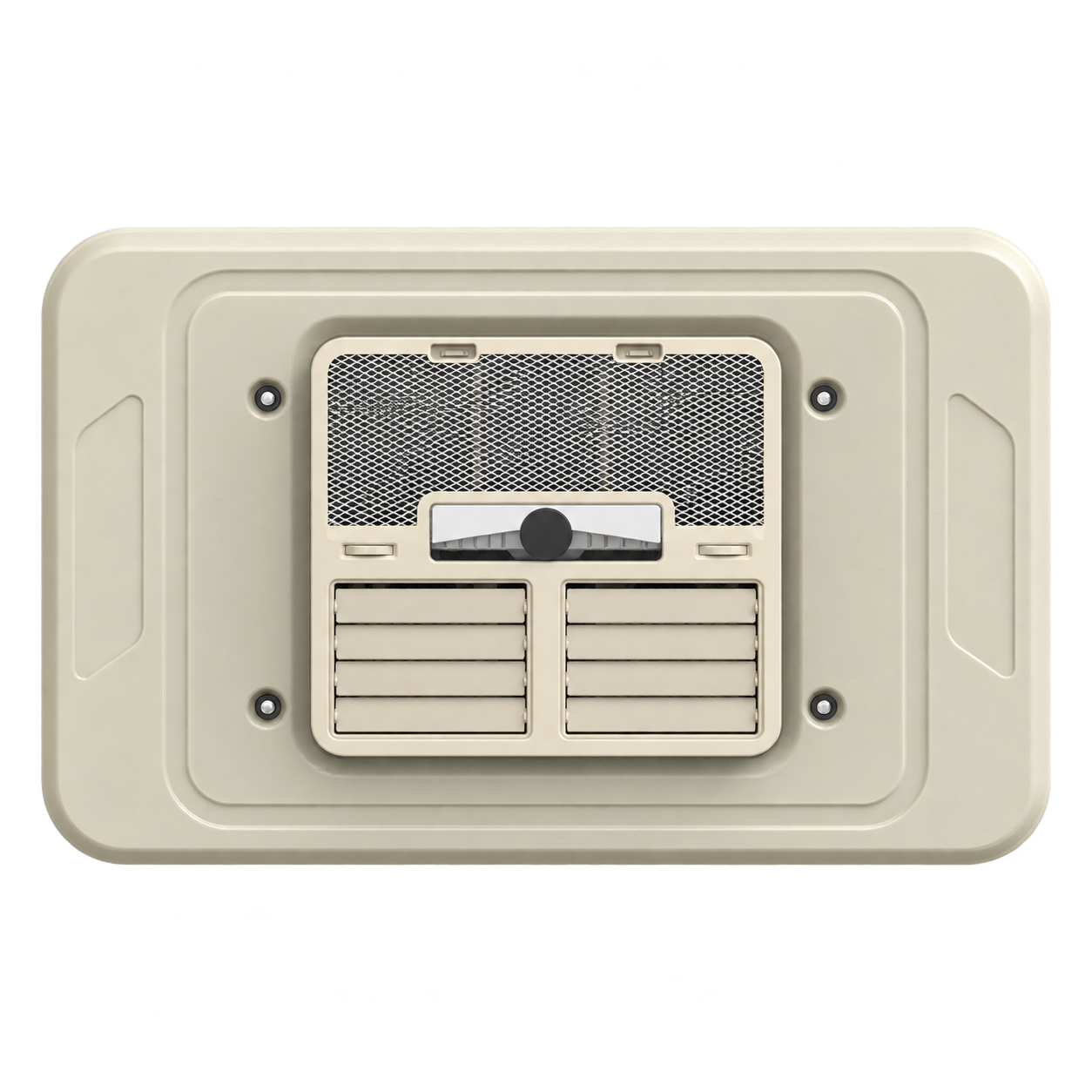
Add the documented construction scope: copper evaporator, copper condenser and copper refrigerant piping. Retain the R134a DC inverter twin-rotary description, brushless evaporator fan and brushless dual condenser fans. Identify the expected Model A panel with independent left and right electric oscillation. This turns the premium positioning into a concrete equipment description.
The installation scope should be just as clear. State which mounting, electrical and local work belongs to the supplied package and which responsibility remains with the customer or installer. The buyer should understand what is being compared when reviewing quotations. A defined X79 configuration makes that possible. It also protects the distributor's demonstration: the product customers see is the product purchasing can request, with any vehicle-specific changes identified explicitly rather than hidden in a shortened order line.

Make the feature-to-benefit story specific
A good sales presentation explains why each feature matters to the chosen customer. Copper components provide a named construction package to retain in the specification. The low outdoor profile supports a considered roof layout. Independent outlet movement gives occupants a practical way to adapt direction. The inverter twin-rotary architecture is relevant to the changing cooling task from arrival to rest.
Keep these benefits connected to the actual application. If the buyer has a shared cab, demonstrate the driver and co-driver preferences. If roof space is central, show the outdoor envelope and nearby equipment. If the buyer wants a repeatable fleet installation, show the completed configuration record. The strongest emphasis should follow the customer's real decision.
The source supports qualitative quiet and energy-efficient positioning, but does not provide a verified sound figure, percentage saving or universal duration. There is no need to invent those numbers to make the product attractive. X79 can be presented as a clearly specified package with a practical route to evaluating comfort on the intended truck. This approach helps the customer understand the offer and gives the distributor a product story that remains consistent when the conversation moves from marketing to installation.
Use a program table that assigns useful outputs
A fleet or distributor program works better when each stage produces something concrete. The following table links the product discussion to outputs that colleagues can review and reuse.
| Program stage | X79-specific focus | Useful output |
|---|---|---|
| Application selection | Cab, supply and normal stop routine | A clear first-vehicle brief |
| Product presentation | Correct model images and confirmed feature set | Matching customer-facing information |
| Configuration review | Voltage, cooling reference, panel and construction scope | A repeatable equipment description |
| Installation proposal | Roof envelope, opening, air routes and supply responsibilities | A reviewable vehicle package |
| Demonstration | Occupied positions and normal cabin arrangement | A recorded representative result |
| Order preparation | Demonstrated model aligned with supplied scope | A clear purchase record |
| Handover | Actual controls, air direction and reporting path | Driver and workshop information |
| Expansion | Compare later vehicles with the reference | Focused review of meaningful differences |
This organization keeps the work moving. It avoids a program that has attractive graphics but no agreed installation scope, or a successful sample vehicle whose exact configuration cannot be repeated. The X79 model facts remain the stable foundation while each stage adds the information needed for a working customer package.
Use real X79 images for the real X79 offer
The product image should match the model being sold. X79 has supplied outdoor and Model A indoor assets, and the technical reference sheet carries the model data. Use those materials consistently. A visually similar rooftop unit from another model can confuse the customer about shell appearance, fan arrangement or panel details.
Each visual has a different purpose. The outdoor image explains the product form and rooftop identity. The indoor image explains the user-facing panel and outlet movement. The specification sheet provides the confirmed ratings and dimensions. Exterior images should not be treated as proof of every hidden material detail. The copper component scope comes from the confirmed model specification.
A distributor can make the presentation effective without speculative cutaways or generated replacements for the real product. Show the actual unit, explain the documented features and connect them to the customer's vehicle photographs. The buyer receives an understandable product offer that can be checked against the order. This is especially valuable when a program includes several models: clear visual identity prevents a broad range presentation from blending different refrigerants, compressor descriptions or cooling values under one attractive image.
Demonstrate the Model A panel as a customer function
The indoor panel is where many customers understand the X79 comfort proposition most quickly. It measures 860 × 550 mm and provides independent left and right electric oscillation. Demonstrate that movement from the normal seated and resting positions, with the curtain and bedding in place.
The feature offers directional flexibility within one cooling system. It should not be presented as separate temperature zones. A driver may prefer air around the shoulders while a co-driver wants a different path toward the bunk. The demonstration can show how the actual panel serves those preferences using the supplied controls.
For a distributor, this creates a memorable product experience. The customer can feel the difference between directions and understand an everyday action they will use. For a fleet, it helps establish a short handover that can be repeated for new drivers. The VETHY truck application overview connects the panel function with the wider parked cooling task. A premium program benefits when the user-facing feature is demonstrated in a real occupied arrangement rather than mentioned once in a list of specifications.
Review the rooftop package before promising broad fit
X79's outdoor envelope is 728 × 900 × 169 mm. The 169 mm product height is useful for low-profile positioning, while the minimum opening reference is 380 × 490 mm. The net weight reference is 32.5 kg. These values help the installer assess a vehicle; they do not establish universal compatibility across every truck in a distributor's market.
A program should therefore define how a new vehicle is reviewed. Ask for roof and interior photographs, supply information and the normal cooling routine. The installer can identify any further inspection and prepare the approved mounting, sealing and access arrangement. Nearby roof equipment also belongs in the review because the copper condenser and brushless dual fans need the appropriate surroundings.
This process can remain commercially efficient. A representative configuration may support similar vehicles, while meaningful differences receive focused attention. The VETHY engineering page provides context for coordinated vehicle integration. The distributor can still present X79 confidently, with a clear route to fit assessment rather than an unsupported compatibility claim. The fleet can still pursue repeat orders, with the completed first layout serving as the reference rather than a promise based only on the opening dimension.
Keep energy promises attached to a complete system
Customers often ask how long a parking air conditioner will run. A responsible program treats that as a complete vehicle energy question. X79's source lists an 800 W rated-power reference and current ranges at 35°C ambient of 20–40 A for 12V and 9–33 A for 24V. The fields are not paired at one common declared operating point.
Do not let different sales materials create different unsupported runtime stories from those references. The selected voltage version, usable energy, other loads, reserve and recharge opportunity all belong in the supporting plan. The electrical designer should use information appropriate to the actual configuration and conditions.
For the distributor, the useful message is positive: X79 is positioned for energy-conscious comfort and has a documented inverter twin-rotary architecture, while the complete package is prepared around the customer's schedule. The technical project information form can gather the necessary starting facts. This makes the offer more comparable and helps avoid a sale built on a duration claim that the delivered system was never designed to support.
Select a representative demonstration vehicle
The first vehicle should resemble the intended customer application. A convenient truck with a different roof or interior can still display the product, but its result should not be quietly applied to every configuration. Choose a cab whose storage, curtain and operating routine make the demonstration useful to the actual buyers.
Record the exact X79 version, roof layout, panel arrangement and supporting supply. During the demonstration, show the occupied positions and normal cabin preparation. The source's qualitative quiet positioning can be explored through the installed experience at the bunk, without assigning an invented sound figure. The outcome should identify what the vehicle demonstrated under the recorded conditions.
This creates a stronger sales asset than a short clip of cold air alone. A customer can see the complete package and understand how their own truck would be assessed. A fleet can use the record to decide where the configuration may be repeated. The product's documented features remain central, supported by a practical application example whose scope is clear. That is a convincing way to build a program around X79 without claiming every truck, route or climate will behave identically.
Prepare the handover before expanding the program
A successful sample should leave the user with matching instructions, a normal cabin reference and a clear reporting contact. Demonstrate the actual controls and independent outlet movement. Explain the agreed energy routine and where the workshop can find the technical record. The driver should not be expected to diagnose refrigeration or electrical issues.
For a distributor, include the relevant supplied support information in the customer package. For a fleet, make the installation and equipment record easy for the workshop to locate. These ordinary details determine whether the first successful installation becomes a manageable product program or an isolated demonstration that only one salesperson understands.
The buyer should also know how an unresolved issue is owned and closed. Record the concern, responsible next action and completed result before treating the vehicle as the reference. This makes the program more accountable and protects the model's premium positioning. X79's real features deserve a complete delivery process, with the demonstrated product, installed configuration and support information aligned. The customer can then recommend the package internally with a clear account of what was selected and how it is used.
Expand through configuration records rather than assumptions
When later vehicles are added, compare them with the reference. Check the supply platform, roof equipment, interior storage and intended routine. A common X79 model may remain appropriate, but a changed vehicle detail should receive the relevant review. This allows the program to grow without treating every truck as identical.
A simple register can identify the vehicle group, X79 version, approved layout and supporting supply. Add the matching product materials and completed photographs. Purchasing can then place a clearer repeat order, and the workshop can recognize the installation when it arrives. If a route changes, the energy plan can be reviewed without losing the model identity. If storage changes, the panel route can be reviewed without rewriting every product fact.
For the customer, this is practical premium value. X79 offers a defined copper-component, brushless-fan, inverter twin-rotary rooftop package, and the program makes that package repeatable where the application fits. The buyer gains a consistent product story and a workable process from demonstration to delivery. The recommendation remains strong because it is specific enough for real colleagues to act on, rather than broad enough to avoid every meaningful installation decision.
A useful distributor example is a market with two common truck platforms. Start with one representative configuration for each rather than using a single demonstration to imply universal fit. The X79 feature story can remain consistent while the roof and electrical proposals reflect the actual vehicles. Customers see the same model identity with application details that make sense for their truck.
A fleet can use a similar approach across route groups. The air conditioner may be common while the supply planning differs because of recharge opportunities or other loads. Keeping those differences visible helps the organization make a sensible purchasing decision. It also gives the sales team a clearer explanation of the complete offer: a real product with documented strengths, supported by a vehicle package prepared for the customer's work.
A program also needs one owner for product information. When the model specification is updated or an installation detail changes, that person can ensure the customer-facing sheet, quotation description and internal record remain aligned. The task is practical rather than elaborate: keep the approved version identifiable, retain the supplied source and prevent an old image or another model's parameter from returning to the sales package. This is especially useful when several colleagues prepare offers in different markets.
The commercial material should distinguish confirmed product facts from the application being proposed. X79's refrigerant, compressor architecture and named component scope are model facts. A particular truck layout and intended rest routine belong to the customer package. A completed representative demonstration adds an application record with stated conditions. Keeping those layers clear helps the distributor explain the offer confidently and helps the buyer understand what is repeated in the next order.
Brand presentation can remain attractive and simple within that discipline. Use a real model photograph, a few meaningful benefits and the technical references the customer needs for the next decision. The copper component package and independent outlets can lead the story for a premium shared-cab application. The low profile and roof layout may lead for a packaging-focused buyer. The emphasis can change with the customer's need while the product facts stay consistent.
This gives the program room to grow without becoming vague. Each customer receives a focused recommendation, and the organization retains one accurate description of the model. When a new vehicle platform enters the discussion, the supplier can prepare the relevant installation assessment instead of stretching an earlier demonstration beyond its scope. The resulting X79 program is commercially useful because it combines a recognizable product with a clear process for applying it to real trucks.
Questions about X79 fleet and distributor programs
What should remain identical between the demonstration and order?
Keep the model, voltage version, documented construction scope, fan package and expected panel aligned. The installation scope should identify any vehicle-specific changes. The customer should be able to connect what was demonstrated with what purchasing requests and the workshop receives.
Can X79 be presented as quiet and energy efficient?
The source supports those qualitative positions. It does not supply a verified sound figure, percentage saving or universal duration. Explain the documented architecture and features, then assess the complete installed package under relevant conditions rather than adding unsupported numerical claims.
Should a distributor use a similar model's outdoor image?
Use the real X79 assets for an X79 offer. A similar shell can confuse the customer about the supplied product. Pair the outdoor image, Model A panel image and matching technical sheet so the customer sees one consistent model identity across the presentation and order.
What helps a fleet expand after the first installation?
Retain the completed configuration record and compare later vehicles with it. Review meaningful differences in supply, roof equipment, interior and routine. A clear reference allows common details to be repeated while changed conditions receive focused attention before installation.
Build the program around the product customers actually receive
X79 is a useful premium candidate when its documented copper components, inverter twin-rotary cooling, brushless fans and adaptable outlets fit the target vehicle assignment. A strong program keeps the demonstration, purchase description and handover aligned.
Send VETHY the target truck platform, supply voltage, customer routine and proposed demonstration details through the contact page. Request an X79 package with clear product identity and installation scope. The next step should be a representative configuration that the buyer can review, use and repeat thoughtfully.
Product sources
- VETHY X79 confirmed product specifications — VETHY.
- X79 technical reference sheet — VETHY.
VETHY product recommendation and application analysis. Specification references identify the selected model and voltage. Installation examples are planning examples; measured project results are identified explicitly when available.
Discuss your X79 application
Send your vehicle, supply voltage, occupied space, parking schedule and installation photographs for a model-specific recommendation.
Prepare your vehicle brief ↗