
VETHY / X79 / PRODUCT AND APPLICATION GUIDE
X79 Cabin Panel Layout: Keep Air Delivery Clear of Storage and Bedding
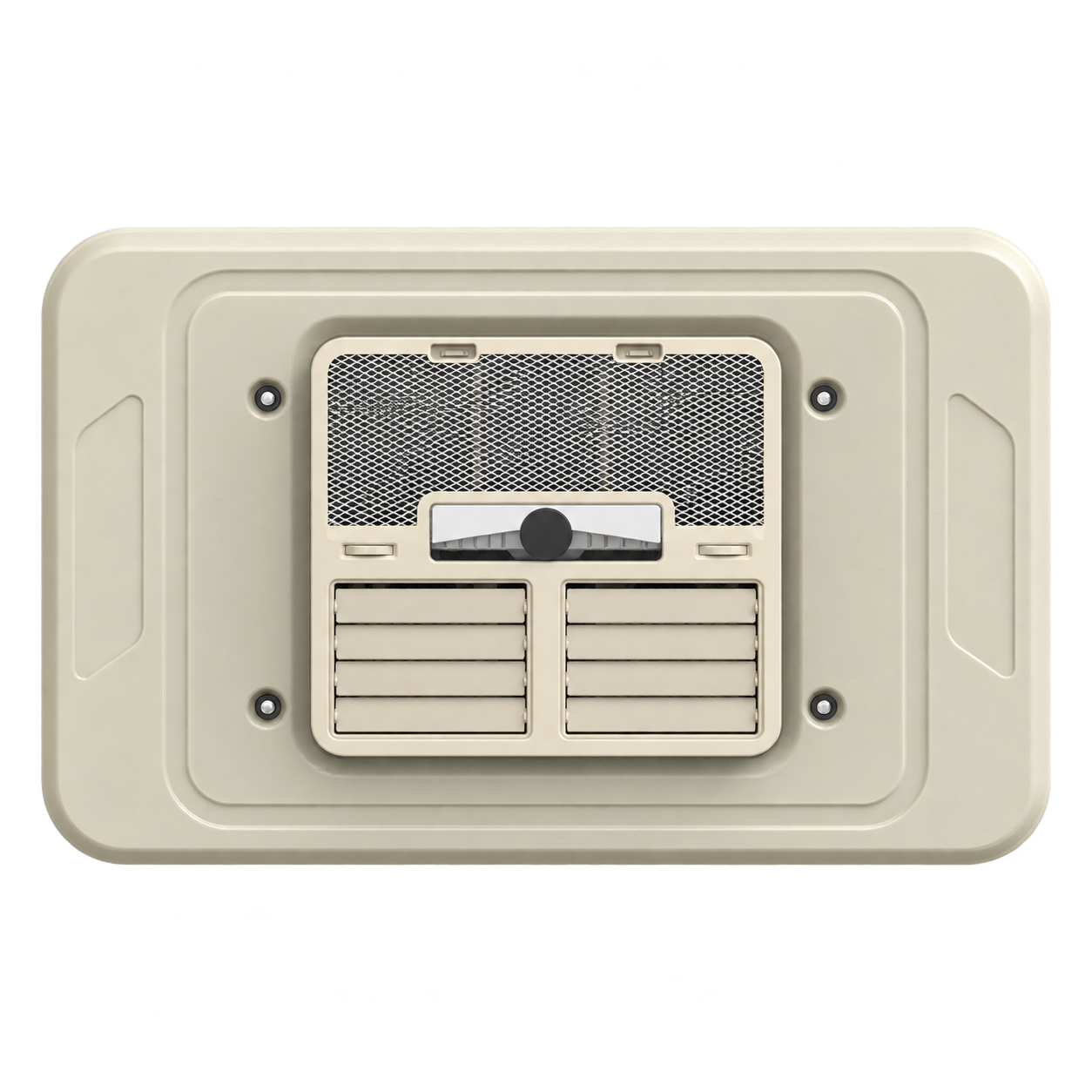
Give X79's 860 × 550 mm Model A panel a clear delivery route around the cab's normal storage, curtain and bedding. Its independent left and right electric oscillation is most useful when occupants can direct air toward the seat or bunk without blocking the panel. Review the interior and rooftop position as one installation.
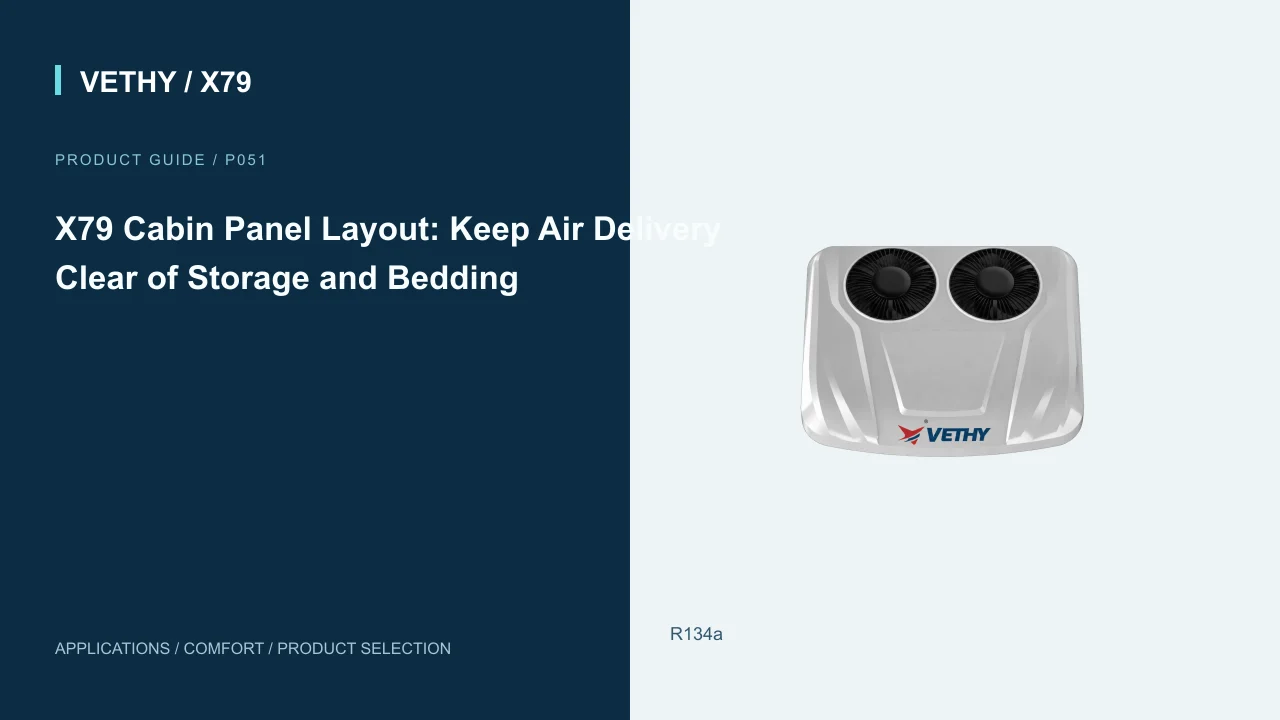
A good X79 cabin layout starts with the things that stay in the truck: the pillow, curtain, overhead bag and everyday storage. They shape the air route that the driver actually experiences. X79's Model A panel measures 860 × 550 mm and provides independent left and right electric oscillation. That is a useful combination when the installation gives the panel enough room to direct air toward the occupied sleeper area.
The aim is not an empty showroom interior. It is a working cab where the driver can put belongings in familiar places and still receive useful cooling. X79 supplies a brushless evaporator fan with a listed 480 m³/h airflow reference, within a rooftop R134a DC inverter twin-rotary package. This guide concentrates on the indoor layout: how to review storage and bedding, what to show the installer and how to make the independent outlets a comfort feature that the driver uses every day.
Describe the cab as a small occupied room
A sleeper cab serves several purposes in a limited space. It is a workplace at the front seats, a resting area at the bunk and a storage area throughout. An air distribution panel has to work within that real arrangement. A useful X79 brief therefore describes how the space changes during a stop rather than assuming one fixed occupied position.
Start with arrival. Where does the driver put paperwork, a bag and outer clothing? Then describe settling into the bunk. Which curtain closes, where does the pillow sit and what remains on the shelf? If there is a co-driver, identify the second occupied position as well. These details help explain the actual routes that air can take from the ceiling panel to people.
This approach gives the installer a better starting point than a cabin model name alone. It also gives the buyer a concrete reason to value independent outlet movement. The feature is relevant because people and objects occupy different parts of the cab through the stop. The X79 guide collection supplies the wider model information; the priority here is a panel arrangement that serves those everyday changes without making the driver rearrange the entire interior each time cooling is needed.
Mark the full panel area before choosing a ceiling position
The 860 × 550 mm X79 panel dimensions describe the indoor face area. They are not the roof opening dimensions. The minimum installation opening reference is separately listed as 380 × 490 mm. Both matter, but they answer different questions: one concerns the cabin panel space and the other begins the roof interface discussion.
Use a marked interior photograph to show the proposed panel outline. Include cabinet edges, ceiling trim, curtain tracks and any existing lights or controls nearby. The installer should assess the actual arrangement and required access using the product installation information. The source does not supply panel thickness, so leave that detail for the appropriate technical information rather than borrowing a depth from another model.
For a customer, seeing the full outline prevents a common misunderstanding. A roof opening may seem comfortably clear while the larger panel occupies a busy interior area. Reviewing both early gives the project a chance to coordinate the layout before work begins. It also makes the independent oscillation feature more useful. The buyer is choosing adaptable air direction, so the proposed position should allow air to travel toward the intended seat or bunk rather than immediately meeting a cabinet or curtain.
Map the air route with normal storage in place
A clear route does not mean a bare cab. It means the normal storage arrangement has been considered. Photograph the shelves and bag locations as they are used on a route. If a bag hangs near the ceiling, show it. If clothing normally occupies a hook near the panel, include it in the review. These are practical facts about the vehicle environment.
The installer can then consider whether the proposed panel position supports useful delivery around those items. The solution should be something the driver can maintain easily. Asking the driver to move every bag at every stop is unlikely to be a good comfort routine. A small, sensible storage change may be practical; a complicated nightly rearrangement is a sign that the layout deserves more thought.
For X79, this work helps turn the 480 m³/h indoor airflow reference into occupied comfort. The number describes the product, while the route determines how the air reaches the driver. Independent left and right electric oscillation can then be used to adapt direction rather than compensate for a permanently obstructed panel. The buying benefit is a package designed around the working cab, with the model's features given a clear role in daily use.
Give bedding its real shape in the demonstration
Bedding can change the occupied air route more than an empty bunk photograph suggests. A tall pillow changes head position. A rolled blanket may sit near the panel path. The curtain may be pulled differently when the driver lies down. Include those normal items when demonstrating the X79 arrangement.
Ask the driver to try the resting position, not only sit at the edge of the bunk. Notice whether the preferred air direction reaches the surrounding space comfortably. A stream that feels useful while upright may be less welcome at face level when lying down. The independent outlets provide a practical way to explore direction preferences using the supplied controls.
This is not a claim of separate temperature zones or automatic occupant detection. It is a straightforward comfort function: the left and right outlets can move independently. Demonstrating that function around real bedding gives the customer a specific reason to value it. A driver should leave the handover able to reproduce a useful general arrangement, with room to adjust for preference. The product recommendation becomes more convincing because it is based on the place where the person actually rests, rather than a clean ceiling photograph that omits the lived-in cabin.
Coordinate the panel with the sleeper curtain
The curtain defines how the cab is used during rest. It may separate the bunk from the front seats, reduce the occupied zone or simply change the path of air. Show both the open and closed positions during the layout review. The installer should understand which arrangement is normal for the intended cooling period.
If the curtain crosses the proposed delivery route, resolve that relationship in the installation proposal. Do not assume a higher airflow number makes the issue irrelevant. The panel, occupied space and curtain should be considered together. The correct solution depends on the actual cab and supplied installation requirements, not a universal rule for every truck.
For a buyer, this is a positive reason to choose a clearly documented panel feature. X79's independent left and right movement can be assessed directly with the curtain in place. The customer can see whether the arrangement serves the bunk and how to use it. The VETHY truck application overview connects the interior discussion with the wider parking cooling task. A complete recommendation lets the driver use the ordinary curtain without treating it as an unexpected obstruction discovered after installation.
Use a layout table that includes everyday objects
A useful cabin review table names the normal object, its possible relationship to delivery and the decision needed before approval. It should help the buyer and installer discuss the real interior without pretending the customer must design the air system.
| Cabin item | Relationship to the X79 panel | Useful decision before installation |
|---|---|---|
| Overhead cabinet | May sit near the panel outline or delivery route | Confirm the full 860 × 550 mm panel area and required access |
| Curtain and track | Change the occupied zone and air route | Review normal open and closed positions |
| Pillow | Defines the driver's head position during rest | Demonstrate comfortable direction while lying down |
| Travel bag | Can occupy a route clear in an empty cab | Agree a repeatable normal storage location |
| Hanging clothing | May move into the outlet path | Include the usual hooks and garments in the review |
| Bedding on a shelf | Can alter the route toward the bunk | Show the fully prepared rest arrangement |
| Co-driver seat or bunk | Adds another direction preference | Demonstrate independent left and right movement |
The practical output is a marked photograph or simple layout note. It should show a cabin arrangement that the driver can repeat without effort. That document then supports both the first handover and later discussions if storage or trim is changed.
Connect interior placement with the outdoor roof location
The panel does not choose its position independently of the rooftop unit. X79's outdoor envelope is 728 × 900 × 169 mm. The installer must coordinate the roof interface, outdoor environment and indoor result as one package. A location that looks convenient outside should still be assessed for how the panel serves the cab.
This matters on a roof with existing equipment. A spoiler, solar module or other accessory may influence the proposed position. The outdoor brushless dual condenser fans also need the air environment required by the approved installation. The roof proposal should therefore include surrounding items and service access, while the cabin proposal includes storage, curtains and occupied zones.
For the customer, a coordinated review prevents competing decisions. The buyer does not have to approve an exterior layout first and then discover an awkward panel position inside. The VETHY engineering page provides context for treating the installation as vehicle integration. X79's defined dimensions and documented features give that process a clear starting point. The final layout should show how the product fits physically and how it delivers the comfort that justified choosing it.
Use the two outlets for different moments in the stop
A driver may need different air directions during arrival and rest. While seated forward, useful movement may be directed around the shoulders and seating area. At the bunk, the preference may be air moving through the resting space without a concentrated stream at the face. X79's independent left and right electric oscillation gives the handover a concrete way to demonstrate those changes.
Use the supplied equipment instructions for actual control operation. The illustrative routine is simply to show both occupied positions and let the driver find a comfortable pattern. Do not invent named modes or automatic sensing. The benefit comes from a real function the user can understand and repeat.
For a two-person cab, give both people a chance to try it. Their preferences may differ, and the panel's directional flexibility is relevant for that reason. Keep the rest of the cabin in its normal state during the demonstration so the chosen arrangement remains practical. A buyer evaluating a premium parking cooling package can then see how the X79 panel supports daily use, rather than treating its movement as a decorative feature that looks good only during a showroom presentation.
Keep the cooling version and energy task visible
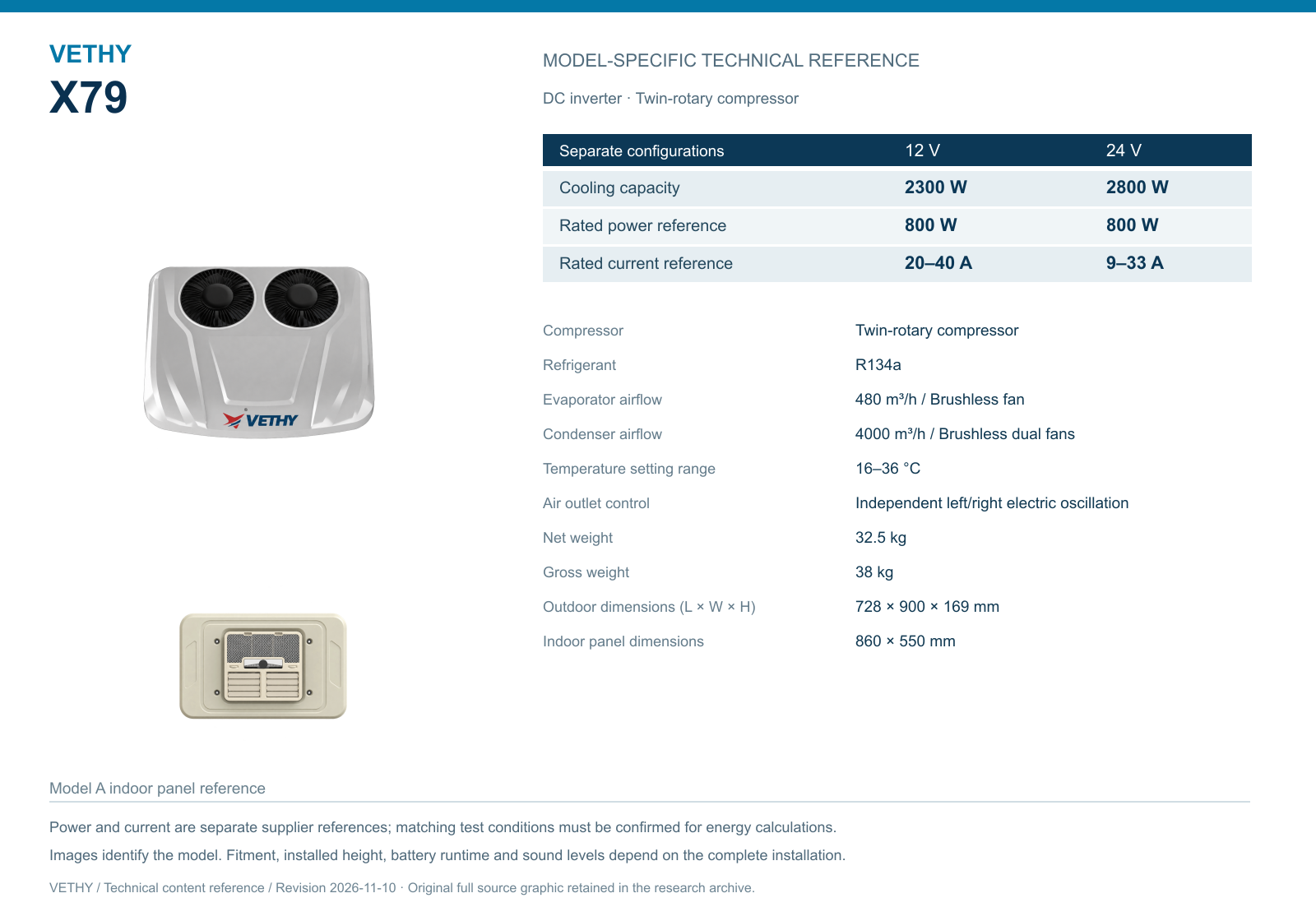
Interior planning is central to this article, but the complete product must still fit the vehicle supply and cooling assignment. X79 offers separate 12V 2300 W and 24V 2800 W cooling versions. The system uses R134a DC inverter twin-rotary technology, with copper evaporator, condenser and refrigerant piping. These facts should remain attached to the panel in the quotation.
The correct voltage version follows the electrical platform. The energy arrangement follows the intended schedule, other loads and required reserve. The source's 800 W rated-power reference and current ranges are separate supplier fields rather than a common matched operating point. Keep them labeled and obtain the appropriate installation information rather than deriving an efficiency or guaranteed duration from them.
The technical project information form can gather the interior photographs alongside the supply and operating details. This keeps the buyer's brief complete without turning the cabin layout review into a battery calculation. The result is one coherent recommendation: the selected X79 version, a workable energy plan and an indoor arrangement that makes the available cooling air useful around the actual storage and bedding.
Make the first vehicle a practical layout reference
A fleet can use the first X79 installation to establish a useful interior configuration for similar cabs. Choose a representative vehicle with normal storage and bedding, not an unusually empty demonstration truck. Record the panel location, curtain arrangement and occupied positions used during the handover.
The acceptance question is straightforward: can the driver arrange the cabin normally and find useful air direction at the intended positions? The workshop should also confirm the approved access and installation arrangement. Any issue that requires adjustment should be resolved before the vehicle becomes the reference for later orders. This gives purchasing a clear configuration to repeat and gives drivers a usable comfort routine.
Compare later trucks with that record. An overhead cabinet change or different curtain track may deserve a focused review even if the exterior cab looks similar. The X79 product can remain the same where appropriate, while the interior proposal accounts for the difference. This is an efficient way to use a premium panel feature: keep the model identity consistent, preserve the successful layout and review meaningful vehicle changes before they become everyday obstacles to air delivery.
Hand over a layout the next driver can understand
The handover should show the interior in the state the driver will use. A photograph of the normal bunk, curtain and storage can be more helpful than a long paragraph. Explain the independent left and right movement using the actual controls, then show the preferred general air routes for the seated and resting positions.
Leave room for personal preference. The next driver may want a different direction, but should understand which panel areas and routes need to remain clear. This keeps the arrangement flexible without encouraging improvised changes to the installation. The workshop retains responsibility for technical modifications, while the driver uses the supplied controls within the agreed operating plan.
If comfort changes, ask for factual observations. Has a bag moved? Is the curtain in a different position? Is the driver using a taller pillow? Those details help the workshop understand the environment before drawing conclusions about the equipment. The original layout record provides a useful baseline. X79's panel feature then supports not only a good first impression but a more understandable ownership experience, with a clear connection between everyday cabin choices and useful air delivery.
For an individual owner, this can be kept very simple: one clear photograph, the product record and the supplied instructions. For a fleet, the same information can sit in the vehicle asset folder. The aim is that someone who did not attend the original demonstration can still understand the selected arrangement and ask a useful question if something changes.
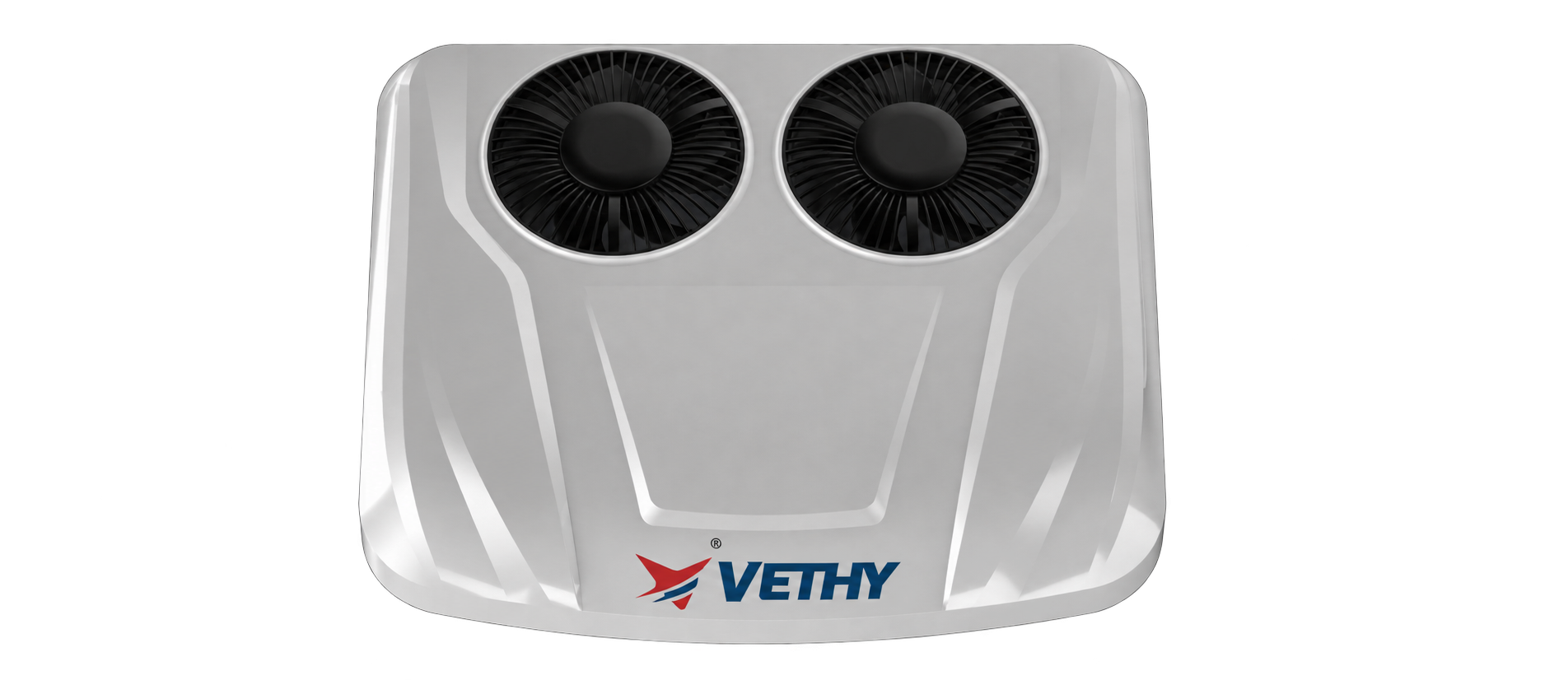
That continuity is part of the value of a defined X79 package. The product's panel, fans and rooftop form remain identifiable, while the cabin layout makes them useful to a particular person in a particular truck. Storage and bedding become normal inputs to the recommendation rather than reasons to compromise after the equipment has already been chosen.
A useful layout example is a sleeper with an overhead shelf near the proposed panel. The shelf itself may not block the panel face, but its normal contents can extend into the air route. During the review, show the shelf fully loaded and ask the installer to consider the resulting delivery path. The answer may be a different arrangement of ordinary storage, a revised panel position within the approved proposal or another vehicle-specific decision. The point is to resolve it while the layout is still reviewable.
A second example is a curtain that looks clear when gathered but crosses the route when closed for rest. The driver should not discover that relationship only after delivery. Show both positions in the initial photographs and include the closed curtain in the demonstration. This gives the independent outlets a fair assessment in the actual sleeper environment.
These examples illustrate why the interior review belongs before the final order. X79's documented panel dimensions and directional flexibility are useful tools, but they need the real cabin context. A buyer who provides that context can receive a more concrete recommendation and a clearer installation scope. The result is a product choice with an understandable path to comfort, rather than an attractive panel that the driver must continually work around. The supplier, installer and customer can discuss the same occupied arrangement from the first proposal through to handover.
Questions about X79 cabin layout
Is the indoor panel the same size as the installation opening?
No. The panel is 860 × 550 mm, while the minimum opening reference is 380 × 490 mm. The installer should review both. The larger panel area affects ceiling space and air direction, while the opening belongs to the roof interface assessment.
Can independent outlets solve any storage obstruction?
They provide directional flexibility, but they do not remove a physical obstacle. Plan normal luggage, curtains and bedding around a useful delivery route. Demonstrate the panel in the loaded cabin so the customer can see how the actual movement serves the occupied space.
Should the bunk be empty during the first demonstration?
Use the normal bedding and pillow arrangement. The driver's resting position affects how direct air feels and where the useful route should go. A demonstration with the ordinary curtain and storage in place is more relevant than one performed only in an empty cabin.
What should a buyer send before asking for a panel layout?
Send interior photographs showing ceiling storage, the curtain in its normal positions, bedding and occupied zones. Include roof photographs, supply voltage and the normal parking routine. This lets the supplier and installer coordinate the panel with the complete X79 vehicle package.
Choose a panel arrangement that fits real life in the cab
X79 is worth shortlisting when adaptable left and right air direction is valuable to the driver and co-driver. Give the panel a clear route around the normal storage, curtain and bedding, then demonstrate it where people actually rest.
Send the cabin and roof information through the VETHY contact page. Request an X79 proposal that shows the indoor panel area and intended occupied air paths. The next step should be a practical layout the driver can use every day, supported by the correct cooling version and installation scope.
Product sources
- VETHY X79 confirmed product specifications — VETHY.
- X79 technical reference sheet — VETHY.
VETHY product recommendation and application analysis. Specification references identify the selected model and voltage. Installation examples are planning examples; measured project results are identified explicitly when available.
Discuss your X79 application
Send your vehicle, supply voltage, occupied space, parking schedule and installation photographs for a model-specific recommendation.
Prepare your vehicle brief ↗