
VETHY / CU2700 / PRODUCT AND APPLICATION GUIDE
CU2700 Electrical Integration: The Supply Path as Part of the Product Package
Treat CU2700's supply path as part of the vehicle package. Identify the correct 12V or 24V version, supporting supply, planned route, protection and connection responsibilities, then coordinate them with the roof and panel layout. The qualified installation team determines the technical details using the actual equipment information and vehicle conditions.
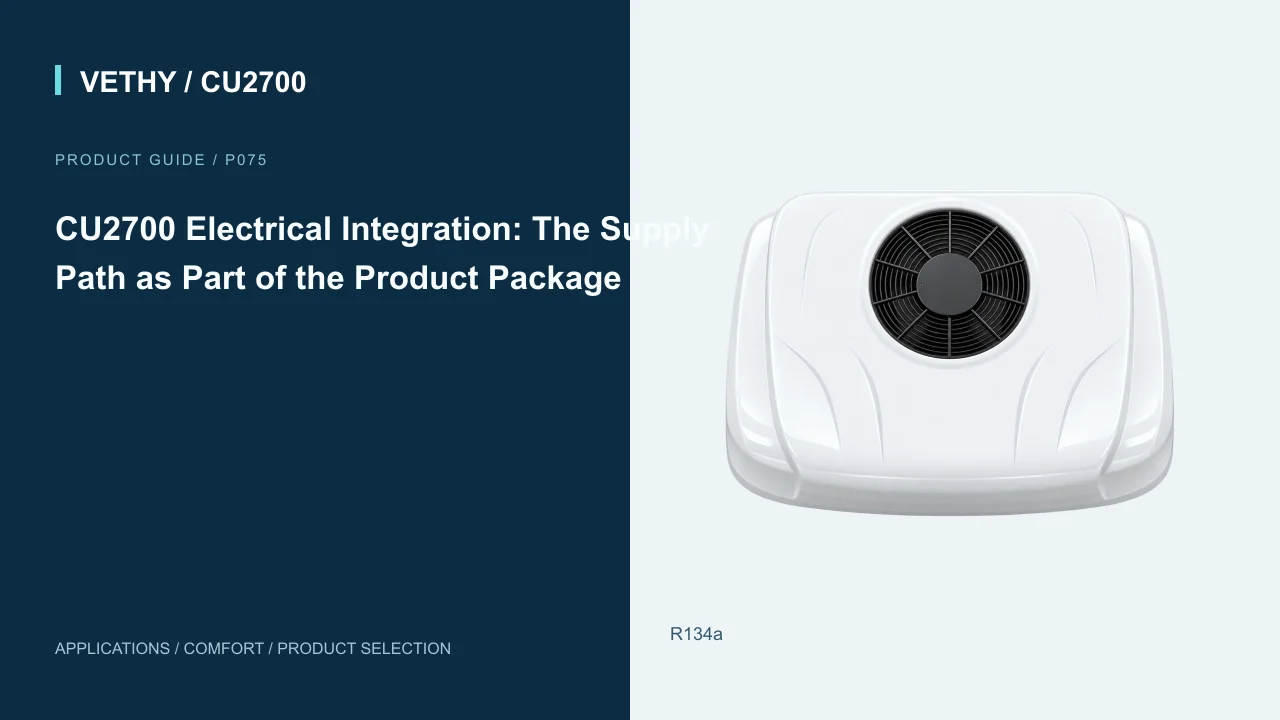
A complete CU2700 proposal should show how the selected rooftop unit connects to the vehicle's supporting supply. The buyer does not need to design the wiring independently, but should understand the package: the correct voltage version, where energy is supplied, how the route is coordinated with the truck and who is responsible for protection, connections and final review. These details make the air conditioner a usable vehicle installation.
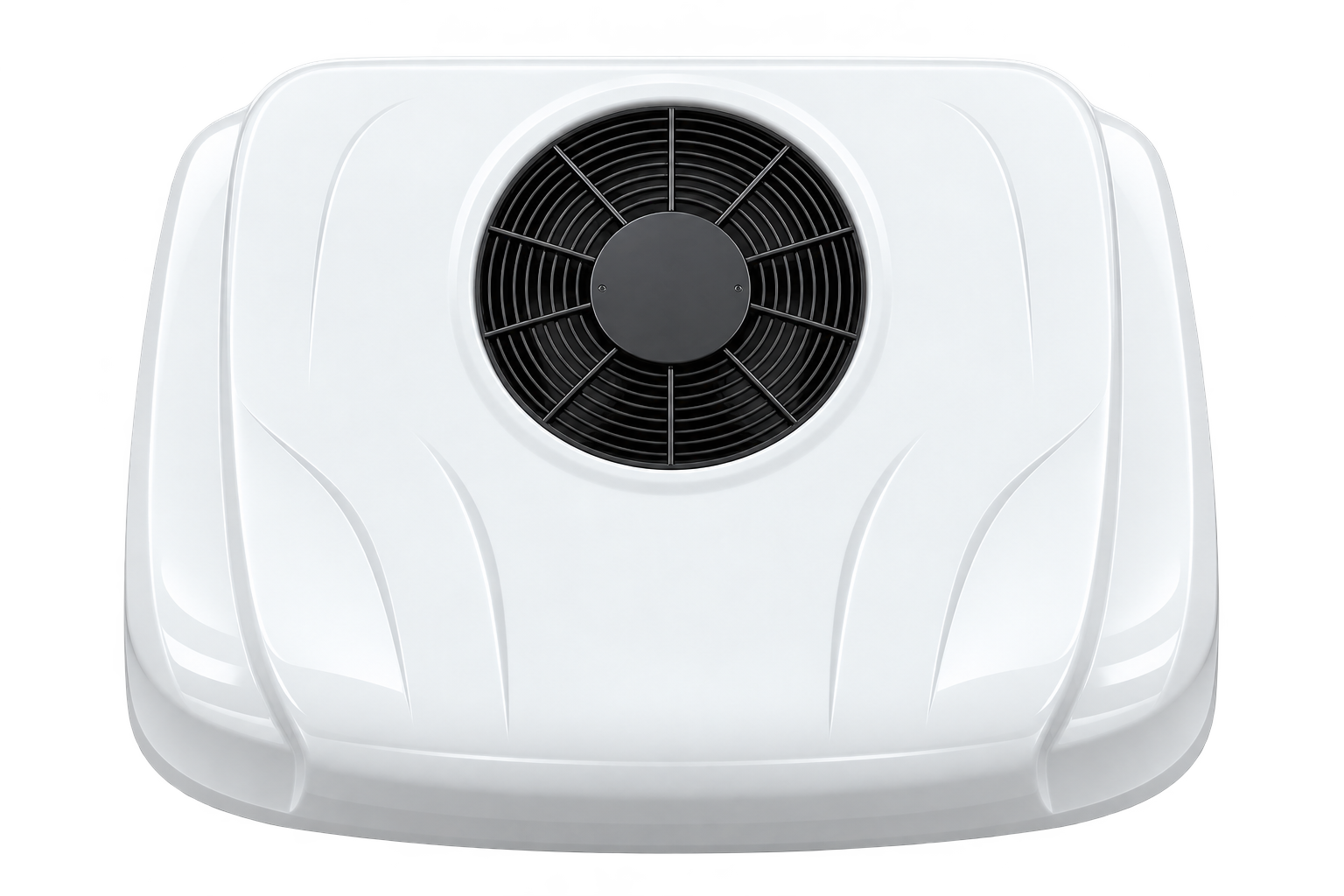
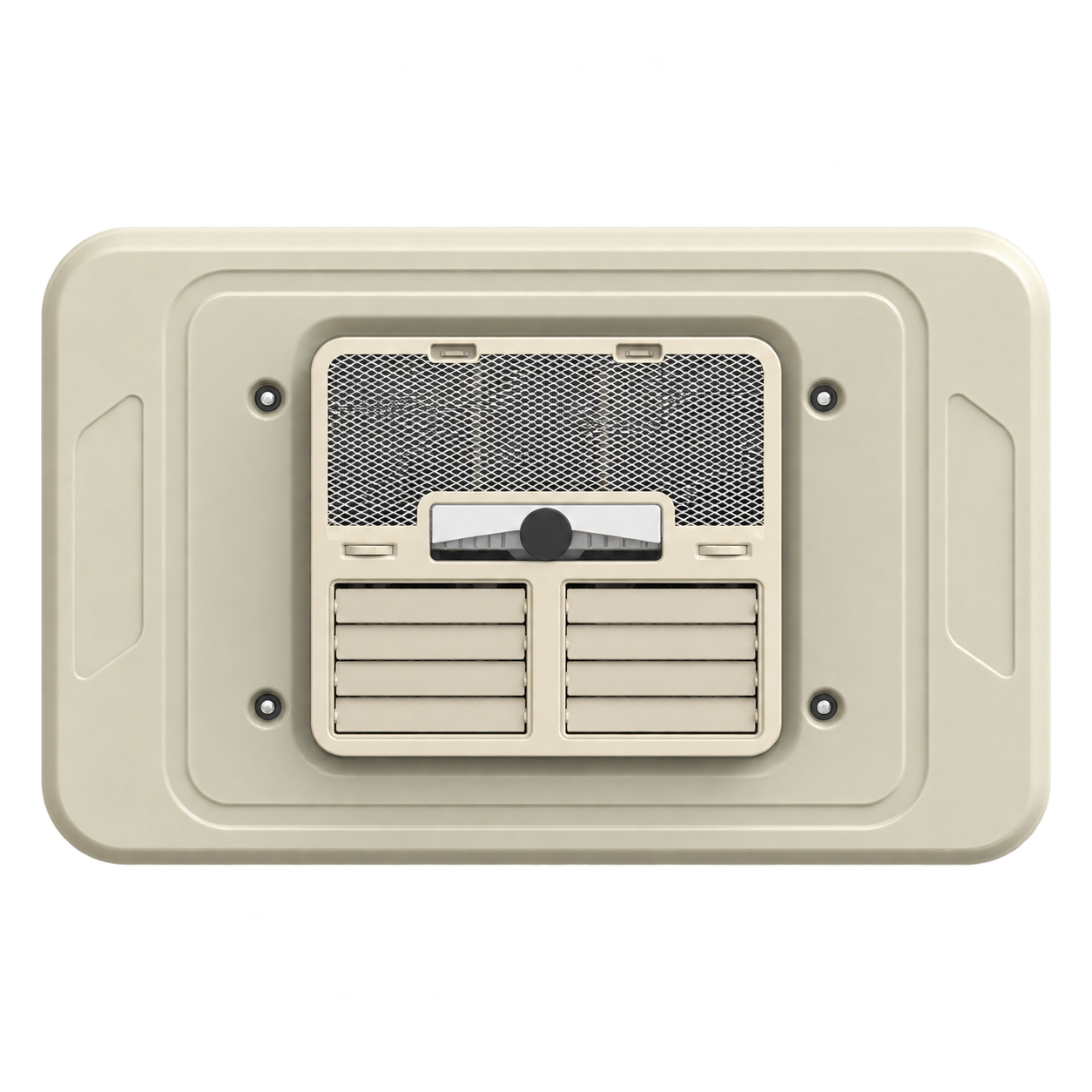
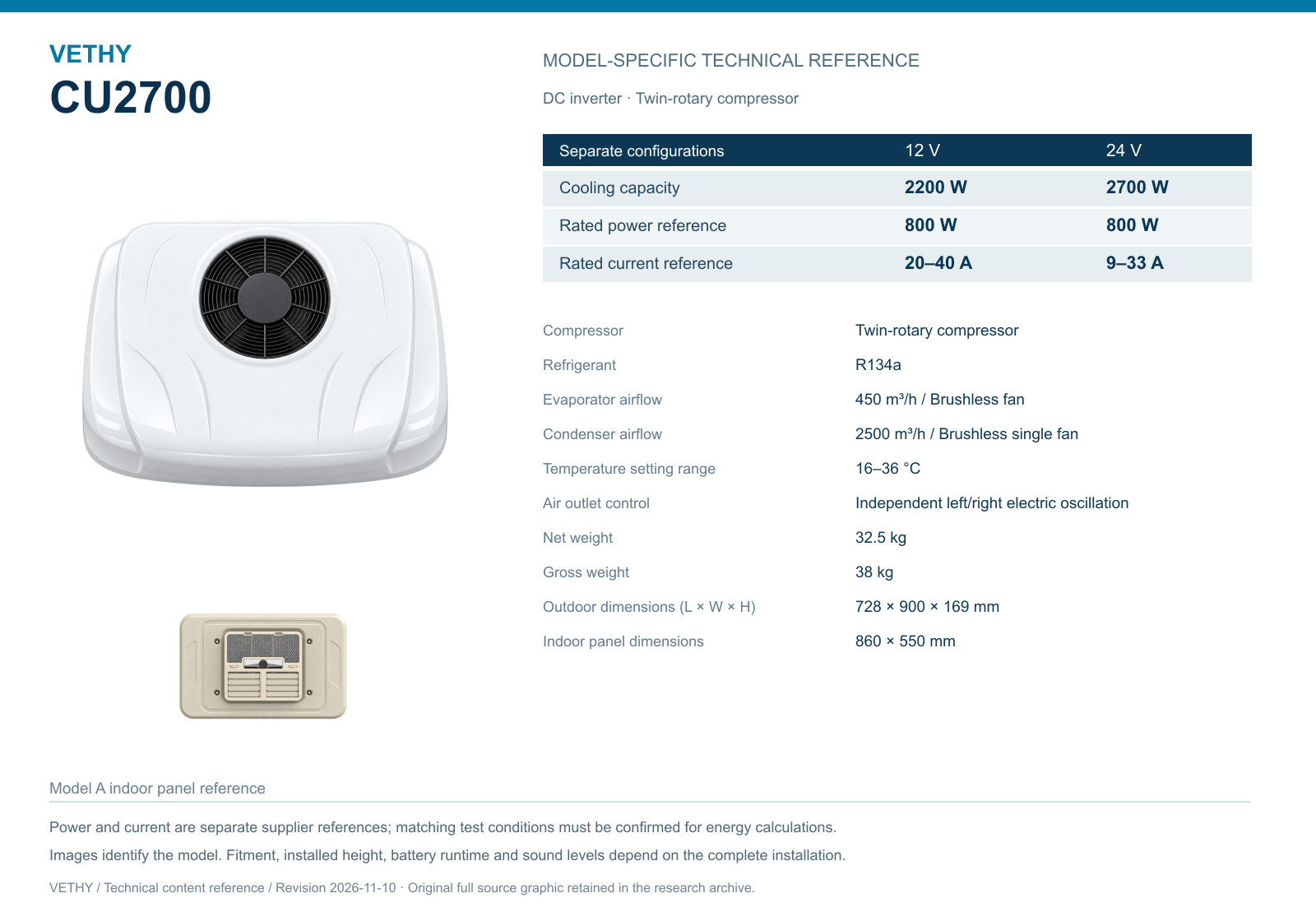
CU2700 provides a clearly defined product foundation. It uses R134a DC inverter twin-rotary cooling, copper evaporator, condenser and refrigerant piping, a single brushless condenser fan and a brushless evaporator fan. Its Model A panel offers independent left and right electric oscillation. The 12V version lists 2200 W cooling and the 24V version lists 2700 W. This guide focuses on the physical and organizational supply path that supports that package, rather than repeating a battery-duration calculation.
Specify the product version before planning the route
The supply discussion begins with the exact CU2700 version. Keep 12V or 24V visible in the quotation and vehicle record, together with the corresponding cooling reference. A short model name is not enough when several truck platforms or auxiliary arrangements are being considered. The installer needs to know which equipment the route is intended to serve.
The actual vehicle supply platform should guide that choice. A different voltage arrangement is a separate engineered decision, not an assumed accessory because the product family includes two versions. The customer can provide the existing configuration and any planned changes, while the responsible technical team determines the appropriate integration.
This clarity gives the buyer a stronger starting point. The product selected for comfort is the product used in the installation proposal, and the supply path belongs to the same defined configuration. The CU2700 guide collection supplies the wider model context. A practical order line can then identify the selected voltage, cooling reference, documented fan arrangement and installation responsibility, allowing purchasing and the workshop to discuss the same package without reconstructing the original sales conversation.
Identify the supporting supply and its location
The proposal should identify the actual source of energy intended for parking cooling. It may be a dedicated auxiliary arrangement or another approved vehicle design. The customer should know what equipment is included and what existing equipment the installer is expected to use. This prevents the air conditioner and energy system from being treated as separate purchases whose interface is left unresolved.
The supply location is also a practical layout input. The installer needs to coordinate the route with the vehicle's structure, access and other equipment. The buyer can help by providing photographs and showing which areas are fixed or already occupied. The detailed electrical design belongs to the appropriate qualified team using the actual product and vehicle information.
For fleets, keep the supporting configuration with the vehicle group record. Similar cabs can carry different auxiliary systems, and the installation should reflect the actual truck. This is a useful way to recommend CU2700 confidently: the model's source-supported comfort features remain central, while the proposal explains how the vehicle supports them. The result is a complete supply relationship rather than a rooftop unit sold with an undefined assumption about where its energy will come from.
Coordinate the cable route with the whole vehicle layout
A planned supply route should be reviewed with the roof location, interior panel and service access. The installer determines the appropriate technical arrangement. The customer should see enough of the proposal to understand where the route passes and which vehicle areas are involved, especially where cabinets, trim or existing equipment affect access.
The goal is an orderly installation that can be understood later. A route hidden behind permanent work without a clear record can make future support more difficult. Before the layout is finalized, identify any known vehicle modifications and planned additions. This lets the installer consider them in the approved arrangement rather than discover them after other work is complete.
For a buyer, this coordination is practical value. CU2700's 728 × 900 × 169 mm outdoor envelope and 860 × 550 mm indoor panel provide clear physical references. The electrical route should serve that actual location, not a generic rooftop position from another truck. The VETHY engineering overview frames the work as vehicle integration. A clear route record helps the workshop recognize the completed package and gives purchasing a more concrete installation scope to compare between proposals.
Assign protection and connection responsibilities clearly
The electrical proposal should identify who determines and supplies the appropriate protection, cable and connection arrangement. Those technical details depend on the actual equipment, route and vehicle conditions. The buyer should not be left to assume that every needed item is included simply because the air conditioner price has been quoted.
A clear scope can separate the product supply from local installation work while still making their interface explicit. The supplier provides the relevant equipment information; the qualified installation team prepares and completes the vehicle design; the customer provides the actual use and vehicle context. Where one party handles several roles, the proposal should still make the responsibilities understandable.
This is not an argument for a complicated buying process. It is a way to make the next action concrete. A fleet can approve a defined package and know who closes each installation item. A distributor can explain what the customer receives and what local work is needed. CU2700's documented single-fan rooftop architecture then becomes part of a complete offer, with the supply path treated as ordinary product integration rather than an afterthought discovered when the truck arrives at the workshop.
Read the supplier electrical fields at the right level
CU2700 lists an 800 W named rated-power reference. It separately lists current references at 35°C ambient: 20–40 A for 12V and 9–33 A for 24V. These fields are useful product information, but a common paired operating point is not established. They should not be used alone to invent a complete route, protection specification or energy guarantee.
Keep the labels visible and request the appropriate installation information for the selected equipment. The technical team can identify what additional data or inspection is needed for the actual vehicle. The cooling capacities remain separate references used in assessing the cab assignment, rather than electrical input values to be substituted into a supply calculation.
For the customer, the practical benefit is a clear division of questions. The product is selected for the occupied cooling task, and the supply path is designed for the actual installation. The technical project information form helps gather the vehicle, supply and schedule facts. The buyer can then review a complete proposal instead of trying to infer technical details from whichever figure appears largest or smallest on the specification sheet.
Use a supply-path table to make the package reviewable
The table below shows the information a buyer can expect the proposal to address. It is a scope guide, not a wiring diagram or a replacement for the actual installation instructions.
| Part of the package | Information to make clear | Practical purpose |
|---|---|---|
| Product identity | CU2700 and selected voltage version | Keep the equipment and installation aligned |
| Supporting supply | Actual equipment and included scope | Define where parking cooling energy is provided |
| Route | Approved path coordinated with vehicle layout | Make the completed installation understandable |
| Protection and connections | Responsible technical party and supplied items | Avoid leaving an essential interface unassigned |
| Roof position | Mounting, air environment and access | Connect the supply route with the actual unit location |
| Cabin panel | Position, storage and occupied delivery route | Preserve the comfort function that justified the product |
| Operating plan | Intended stop, other loads and reserve context | Link installation with real use |
| Handover record | Supplied instructions and completed configuration | Support drivers and future workshop work |
A proposal that addresses these points is easier for purchasing to assess and easier for the workshop to deliver. It also gives the supplier a clearer account of the customer's expectations, reducing reliance on informal assumptions passed between colleagues.
A useful quotation review can follow the same sequence as the table. First confirm the product version, then identify the supporting supply and local installation responsibility. Next review the proposed roof and panel locations, followed by the route and access explanation. Finally, check that the operating schedule and handover are included. The buyer can understand this sequence without choosing technical component sizes independently.
This is particularly helpful when several suppliers contribute to one vehicle. The air conditioner provider, auxiliary energy provider and local installer should be working toward the same finished configuration. The customer can ask who resolves the interfaces between their scopes and where the final record will be kept. Clear ownership makes the proposal more concrete and helps the organization complete the work already needed for a useful CU2700 installation. The product's premium feature set then reaches the driver through an integrated package rather than a set of separate purchases.
Fit the roof interface before fixing the surrounding work
CU2700's outdoor dimensions are 728 × 900 × 169 mm, and its net weight reference is 32.5 kg. The minimum installation opening reference is 380 × 490 mm. The installer should review the actual roof structure, curvature, existing modifications and approved mounting and sealing arrangement. These decisions belong with the supply route because they establish the real equipment location.
The 169 mm product height is a useful low-profile packaging feature. The finished vehicle height still depends on the complete installation and other equipment. A clear layout can show the product envelope and identify the completed highest point once the mounting proposal is known. This gives the buyer practical clearance information without treating one product dimension as the full vehicle result.
For fleets, retain the completed interface record before repeating the package on later trucks. A different roof accessory or previous modification can deserve review even when the cab looks similar. The common CU2700 model can remain a useful starting point, while the installation proposal handles the actual vehicle. Coordinated physical and electrical planning gives the product a more convincing path from specification to working comfort.
Keep the outdoor single-fan surroundings included
CU2700 pairs a copper condenser with a single brushless fan and a listed 2500 m³/h outdoor airflow reference. The roof proposal should preserve the approved intake, discharge and service environment. Nearby equipment such as solar modules, lights or storage should be shown in the same layout rather than added as an unrelated project later.
This matters to the supply-path discussion because equipment positions and access are connected. The installer should not finalize an electrical route to a location that remains unresolved in the roof review. The buyer benefits when those decisions are made from one coordinated proposal and the completed arrangement is retained in the vehicle record.
The single-fan feature is a defined architecture, not proof of numerical energy or sound superiority over another fan count. CU2700's source supports qualitative quiet and energy-efficient positioning, alongside inverter twin-rotary technology and copper components. Those are enough to explain why the model deserves assessment. The vehicle proposal supplies the surroundings that let the product serve its intended task, while keeping the customer-facing offer accurate and concrete.
Protect the indoor comfort purpose during integration
Electrical and mounting work should not overshadow the reason for the installation. The driver needs useful cooling at the occupied position. CU2700's Model A panel measures 860 × 550 mm and offers independent left and right electric oscillation. The brushless evaporator fan has a listed 450 m³/h airflow reference.
Review the panel with normal storage, curtain and bedding in place. The installer should coordinate the interior area and required access with the roof location. The source does not provide panel thickness, so any additional space requirement should come from the actual installation information. A route that looks convenient behind the ceiling still needs to support the approved panel arrangement.
The VETHY truck application overview connects those decisions with the wider parked comfort assignment. During the demonstration, let the driver try the seat and bunk and explore independent direction using the supplied controls. The feature concerns air direction within one system, not separate temperature zones. A complete integration package makes that practical benefit visible instead of leaving the panel as a trim detail discussed only after the technical work has been fixed.
Review the energy schedule alongside the physical supply path
The physical route connects equipment, while the energy plan connects that equipment to the intended schedule. Both are needed for a useful installation. Describe how long the truck normally parks, which other loads are active, what reserve the operator requires and when the next recharge opportunity occurs. The electrical team can then assess the complete supporting arrangement.
CU2700's inverter twin-rotary architecture is relevant to changing cooling demand through the stop, but the source does not establish one fixed draw for every phase. Do not derive a guaranteed duration from the separate power and current references. Use appropriate information for the actual selected equipment and conditions.
This separation helps the buyer compare proposals fairly. One quote may include a different auxiliary supply or installation scope from another even when both use CU2700. A clear description of the route and energy responsibilities makes the difference visible. The customer can then approve a complete package for the actual work rather than assume the air conditioner alone determines the entire system result. A well prepared brief gives the supplier and installer a practical basis for that proposal.
Complete the first installation with a useful record
The completed record should identify the CU2700 version, approved roof and panel layout, supporting supply and relevant route information. Include clear photographs and the matched instructions delivered with the equipment. The workshop should be able to find the information without relying on the memory of the original installer.
The technical team determines the appropriate completion checks for the actual installation. The customer can confirm that the supplied product and agreed scope match the order and that the driver has received a practical demonstration. Any unresolved item should have a clear owner and next action before the vehicle is treated as the repeatable reference.
For a fleet, this is the point where the package becomes useful for later trucks. Common details can be retained, and meaningful differences can be reviewed. For a distributor, the record supports a clearer customer offer and a more accountable support conversation. CU2700's documented features remain attached to a real configuration, allowing the recommendation to survive beyond the sales discussion and into ordinary vehicle use.
Hand over the result in driver and workshop language
Drivers need the actual controls, independent outlet movement, normal cabin arrangement and agreed operating routine. The workshop needs the product identity and completed technical record. Purchasing needs the exact configuration and scope. A good handover gives each person the information relevant to their role without asking everyone to become an electrical designer.
A useful example is a fleet where replacement drivers collect vehicles after the original installation team has left. The next user should be able to find the supplied instructions and understand the normal cabin route. If comfort changes, the driver can report occupied position, conditions and what differs. The workshop can then use the retained configuration to investigate appropriately.
This is a practical premium benefit. CU2700 offers a clearly specified inverter twin-rotary rooftop system with copper components, brushless fans and adaptable indoor direction. The complete supply path and handover make that product manageable in daily work. The buyer can recognize what was chosen, the installer can deliver a defined package and the driver can use the cooling features confidently within the intended vehicle routine.
The same record helps when a later modification is proposed. A new storage unit may affect panel access, a roof accessory may affect the approved surroundings and an electrical load change may affect the supporting energy plan. The team can identify the relevant part of the configuration rather than reopen the entire product decision without context.
For an owner operator, the package can remain simple: the correct product version, clear local installation responsibility, matched instructions and a record of the completed arrangement. For a fleet, those same elements can be standardized where the vehicles are sufficiently similar. The goal is an installation that remains understandable after delivery, with CU2700's real features connected to the truck through a supply path that has been considered as part of the product offer.
Questions about CU2700 electrical integration
Can the current range specify the whole installation by itself?
No. It is supplier reference information with a stated ambient condition, not a complete route, cable or protection design. The qualified technical team should use the actual equipment information and vehicle conditions to prepare the electrical package. Keep the power, current and cooling fields labeled separately.
Who should decide the detailed supply arrangement?
The appropriate qualified installation and electrical team should determine the technical details. The buyer provides the actual vehicle, supply and operating context and should understand the scope and responsibilities. The proposal should make the interface between product supply and local work explicit.
Should roof and electrical decisions be made separately?
They should be coordinated. The roof location establishes the actual equipment position, outdoor surroundings and indoor panel relationship. The supply route should serve that approved configuration, with access and future workshop use considered in the same vehicle package.
What should the customer receive at handover?
Receive the matching product identity, supplied instructions, completed installation information, relevant photographs and a practical driver demonstration. The exact voltage version and supporting supply should remain clear. This gives the workshop a reference and helps purchasing repeat the correct configuration later.
Recommend CU2700 as a complete integrated package
CU2700 is a useful candidate when its single-fan rooftop architecture, copper components and adaptable panel fit the cab. A clearly assigned supply path turns that product choice into a vehicle installation the buyer can review and the workshop can support.
Send the truck, supply, roof and interior details through the VETHY contact page. Request a CU2700 proposal that includes the electrical interface, installation scope and driver handover. The next step should be a defined package ready for a representative vehicle rather than a unit price with its essential connections unresolved.
Product sources
VETHY product recommendation and application analysis. Specification references identify the selected model and voltage. Installation examples are planning examples; measured project results are identified explicitly when available.
Discuss your CU2700 application
Send your vehicle, supply voltage, occupied space, parking schedule and installation photographs for a model-specific recommendation.
Prepare your vehicle brief ↗