
VETHY / VX3000SP / PRODUCT AND APPLICATION GUIDE
When VX3000SP Cooling-Only Makes Sense in a Truck HVAC Plan
Choose VX3000SP when the parked comfort task is cooling, its split arrangement fits the vehicle and the supporting supply can serve the intended stop. Its R134a rotary package offers automatic oscillation and 550 m³/h airflow. Address heating and driving comfort through their actual systems and responsibilities rather than assuming this cooling model replaces every HVAC function.
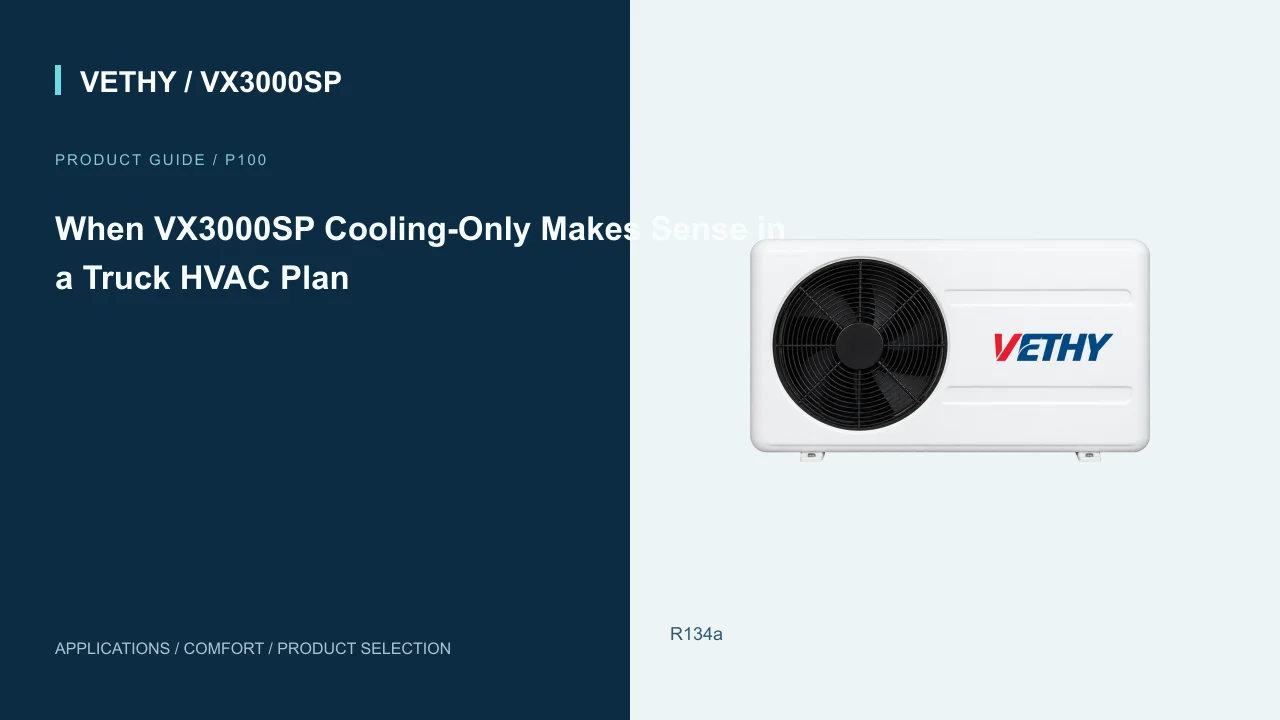
VX3000SP makes sense when a truck project has a clearly defined parked-cooling requirement and a suitable place for separate indoor and outdoor assemblies. The product’s role is straightforward: bring dedicated electric cooling into the occupied cab during the intended parking routine. That can be a valuable part of a broader vehicle HVAC plan without requiring one product to provide every comfort function.
The documented VX3000SP package uses R134a and a rotary compressor, with automatic oscillation, 550 m³/h airflow and qualitative ultra-quiet positioning. Separate 12V and 24V references allow the buyer to discuss the version appropriate to the engineered supply. Its strongest recommendation connects those specific features with the actual vehicle and operating assignment.
This guide focuses on function selection. It explains when a cooling-only brief is appropriate, how the split arrangement supports the buying conversation and which wider vehicle needs should remain visible. The aim is a confident, well scoped recommendation rather than an assumption that adding more functions always produces a better purchase.
Define the occupied parking task first
Start with the time when someone is actually inside the parked truck. An owner may want a comfortable sleeper after a warm drive. A regional operator may need cooling while waiting at a depot. A fleet may have both activities across different vehicles. These are recognizable comfort tasks that can be described before choosing the equipment.
Ask where the driver sits or rests, when the stop normally occurs and how the doors and curtains are used. Include normal bedding and storage in the description. VX3000SP’s airflow and automatic oscillation become useful product features when the indoor assembly can serve those occupied positions, rather than being placed around an empty-cab photograph alone.
The project should also describe the starting conditions. A sun-warmed cab and a settled evening sleeper are different parts of the cooling assignment. The supplier can consider the appropriate model version and complete arrangement using that context. The product source does not establish a universal cab-size approval or a guaranteed time to comfort.
A clear parked task gives VX3000SP a positive reason to be selected. The customer is choosing a defined split cooling package for a real part of the working routine. The next conversation can therefore address layout and supply, rather than revisit an undefined expectation that the unit must handle every possible vehicle comfort condition.
Place parking cooling within the wider HVAC plan
A truck may have several comfort responsibilities across its operation. Driving, occupied parking and seasonal heating can involve different equipment and requirements. Keep those responsibilities visible so the buyer understands where VX3000SP belongs and which tasks are handled through other confirmed arrangements.
For example, a vehicle may retain its existing driving comfort system while adding a dedicated parked-cooling package. The useful question is how the driver moves between the normal activities, including which supplied controls are used. Do not assume automatic communication or coordination between systems unless the actual project documentation establishes it.
This division helps a fleet prepare a practical operating explanation. The driver knows the intended parking routine, the workshop knows which equipment record relates to it and purchasing knows what the new offer includes. VX3000SP can then be valued for its actual assignment rather than judged against functions that were never part of the specified package.
The VETHY engineering overview provides context for a wider vehicle discussion. A particular truck still needs its own review, with the responsible people identifying the actual systems and interfaces. A broad HVAC plan becomes more convincing when each product has a clear role and the customer can understand how the proposed work fits the vehicle’s normal operation.
Choose the split format for a useful vehicle reason
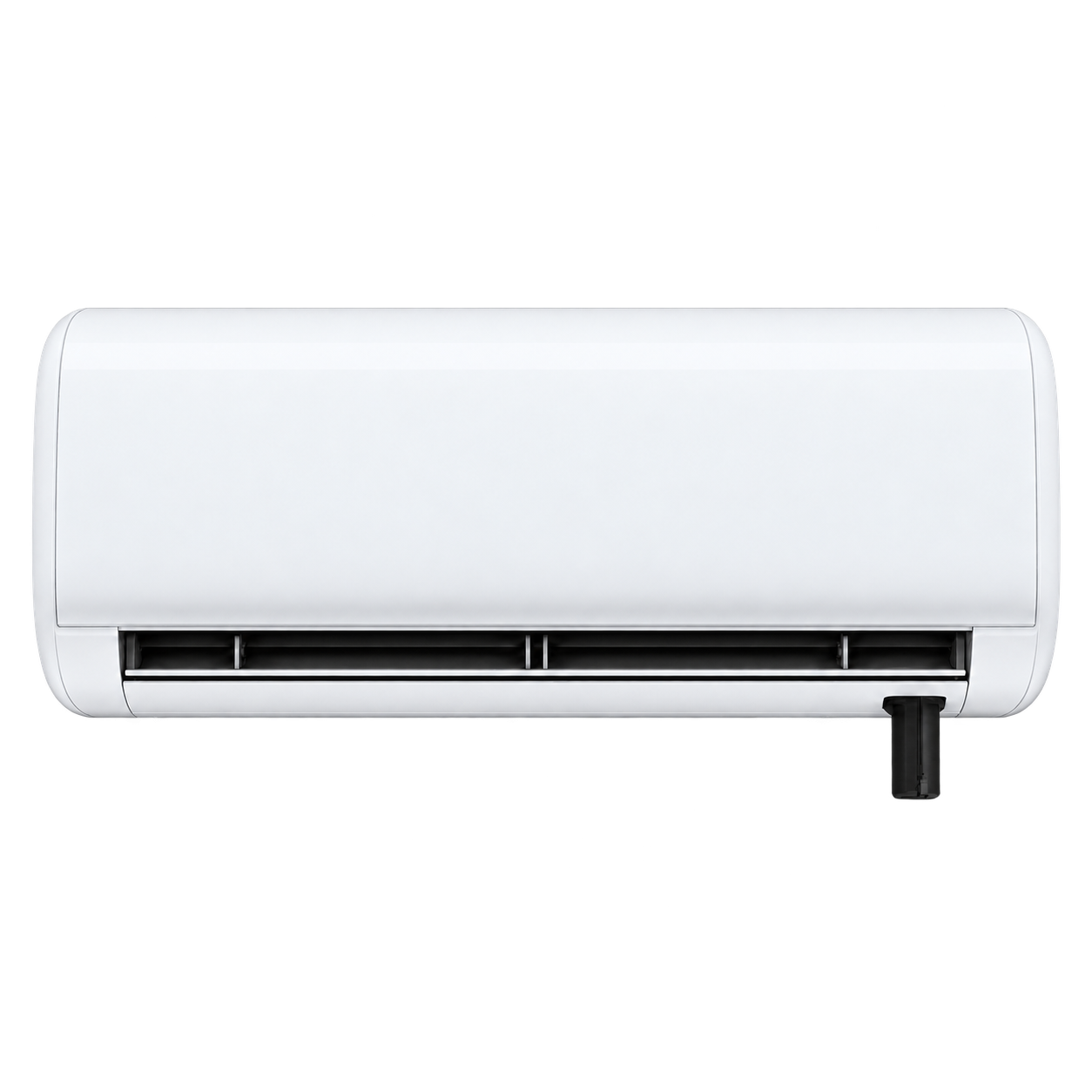
VX3000SP separates the indoor and outdoor assemblies. That creates a layout option worth considering when the customer prefers to coordinate cabin delivery and outdoor equipment placement separately. The format should answer a vehicle question, such as the desired interior arrangement or the use of available equipment space.
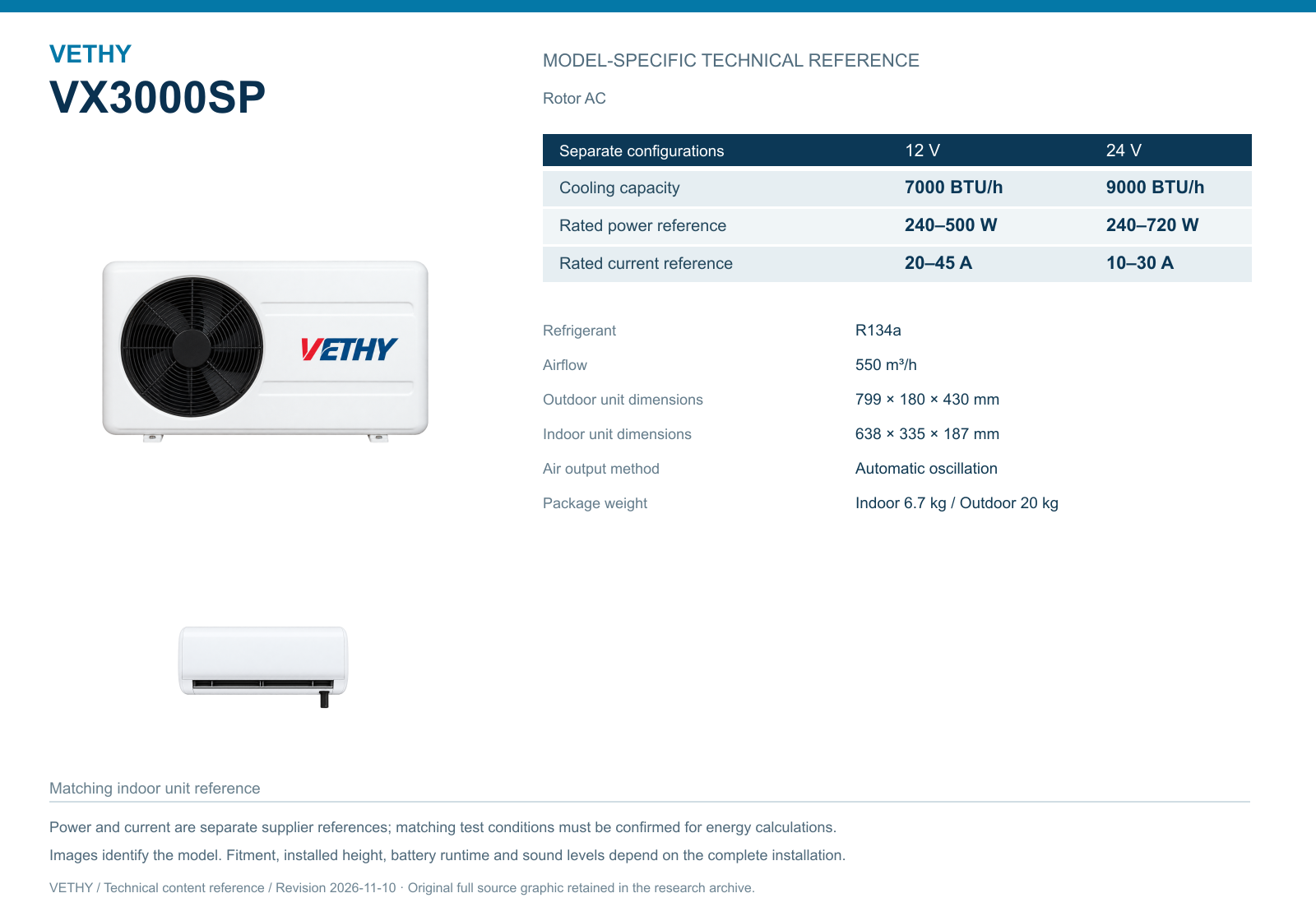
The supplied indoor dimensions are 638 × 335 × 187 mm and the outdoor dimensions are 799 × 180 × 430 mm. Retain those complete references in the source order. The applicable installation drawing and technical review should establish the axis-specific relationships needed for the actual vehicle proposal.
Evaluate the occupied indoor position, suitable outdoor mounting, air access, connecting route and service approach together. A promising location for one assembly does not complete the installation concept. The buying advantage of a split package is the ability to develop those related locations around the truck, with the appropriate requirements visible.
For a customer who wants to preserve a roof choice, this can be a useful reason to shortlist VX3000SP. It does not establish that every remote outdoor location is suitable or that the model has an acoustic advantage in every arrangement. The final recommendation should identify why the proposed split layout serves this particular vehicle and comfort task.
Select the voltage version without changing the cooling brief
The source lists 7000 BTU/h cooling for the 12V VX3000SP and 9000 BTU/h for the 24V version. Match the proposed version to the engineered supply and assessed duty. A larger cooling reference alone does not justify treating one vehicle’s electrical platform as interchangeable with another.
| Selection question | VX3000SP reference | Role in the project |
|---|---|---|
| Which cooling version is proposed? | 12V: 7000 BTU/h; 24V: 9000 BTU/h | Identify the offered configuration |
| What are the power references? | 12V: 240–500 W; 24V: 240–720 W | Retain separately labelled supplier data |
| What are the current references? | 12V: 20–45 A; 24V: 10–30 A | Support the appropriate electrical discussion |
| What product architecture is documented? | R134a rotary split cooling | Keep the model’s actual identity clear |
| What cabin delivery is listed? | 550 m³/h and automatic oscillation | Develop the occupied air path |
The power and current endpoints are not paired at a common established operating point. The table identifies the product references; it does not create a new efficiency rating or a fixed rest-period draw. The electrical specialist needs appropriate information for the complete supply arrangement, while the customer’s cooling assignment remains the basis for selecting and assessing the package.
Support the cooling period with a complete energy plan
A cooling-only product still needs a complete supporting supply. Define the intended parked period, usable stored energy, other loads, reserve requirements and charging opportunities. These questions concern the actual vehicle arrangement, rather than a universal battery size inferred from the VX3000SP name.
Use the normal schedule to make the discussion concrete. A short stop followed by a known charging opportunity creates a different planning task from a longer rest after several equipment loads have already been used. Describe those activities so the supporting system can be assessed around the real routine.
The source’s electrical ranges should stay in their proper role as supplier references. They are not an overnight average and do not establish a guaranteed number of hours. Appropriate information and representative operation of the actual installation give the buyer a more useful basis for assessing the session.
This is part of the model’s practical appeal. VX3000SP can be considered as one defined cooling load within an intentional auxiliary package, with the occupied space and schedule kept visible. The VX3000SP application library includes narrower energy-planning discussions for buyers who need to progress that part of the proposal. The function choice and supporting supply should advance together, rather than leave the power arrangement as an afterthought.
Make airflow and quiet comfort part of the recommendation
Cooling capacity does not describe the whole occupied experience. VX3000SP lists 550 m³/h airflow and automatic oscillation, which are useful features to demonstrate from the driver’s actual seat and bunk. The indoor location, curtain and storage arrangement should let the delivered air serve those positions.
A buyer considering a calm sleeper can also discuss the model’s qualitative ultra-quiet positioning. Evaluate the complete arrangement, including the outdoor mount, surrounding trim and normal cab belongings. The product data do not provide a numerical sound result, so a relevant demonstration is more useful than a fabricated sound badge.
Let the customer experience the normal supplied controls and outlet behavior. A concentrated stream that feels welcome immediately after outdoor activity may not be the preferred arrangement for longer rest. The demonstration should allow the occupant to explain that preference while the distributor or installer shows the actual available adjustment.
These features give a cooling-only recommendation substance. The product is not being chosen solely because it lacks a heating function; it is being considered because its confirmed split cooling package can be arranged around a defined comfort task. The buyer can connect the photograph and specification with a real occupied experience, making the next vehicle-specific discussion easier to understand.
Keep the heating decision explicit
If the customer also needs parked heating, identify that requirement directly. VX3000SP is the cooling-focused model in this discussion. Do not imply that a heating function is included because another VETHY split product offers it, or because the same truck travels through different seasons.
The wider project may have an existing heating arrangement or may need a separate product assessment. Its actual capability, installation and operating requirements should be reviewed by the responsible team. A cooling recommendation should not silently approve the other system or treat its presence as proof that every seasonal condition is covered.
For a buyer who specifically wants a documented combined cooling-and-heating split candidate, the EcoMax 3S product page is a useful alternative starting point. That is a function-scope comparison, not a claim that the two models share the same compressor architecture, controls or performance.
This distinction helps the customer make a positive choice. Where the parked task is cooling, VX3000SP remains a focused candidate. Where another function is required from the purchased product, state it before finalizing the shortlist. The customer receives an offer matched to the intended work, rather than discovering later that the familiar phrase parking AC concealed different expectations about heating.
Assess short daytime stops on their own terms
A regional truck may have repeated periods of waiting or paperwork during a warm working day. The occupied task might be seated comfort rather than a full sleeper period. In that case, demonstrate the indoor delivery from the position the driver actually uses and include ordinary door movement in the discussion.
The starting heat in the cab matters. A short stop should not be assessed as though it begins with an already settled interior unless that is the real routine. Describe solar exposure and the transition from driving so the supplier can consider the intended VX3000SP assignment with the correct context.
The split layout may be attractive where the truck has a suitable outdoor equipment location and a useful indoor position. Review both assemblies and their relationship to normal vehicle access. The customer should see how the proposed cooling package fits the working truck, rather than only how the product looks in isolation.
For this buyer, the next action is a focused demonstration or technical review tied to the actual daytime activity. Record which vehicle and conditions were considered. A successful discussion of one defined stop is useful evidence for that purchase decision, while a different duty or vehicle group should receive its own assessment rather than inherit an unexplained universal claim.
Assess longer sleeper use as a complete session
A longer rest period creates a broader comfort and energy assignment. Include time spent seated before sleep, the normal curtain and bedding arrangement, and the intended charging routine. VX3000SP’s automatic oscillation can be demonstrated within that actual interior rather than an empty space prepared solely for a sales photograph.
Consider how the customer will prepare the occupied area and use the supplied controls. The transition from a warm arrival to a settled bunk should be understandable to the driver. The source does not establish automatic coordination with the truck’s driving HVAC, so explain the actual operating routine confirmed for the installation.
The supporting supply assessment should address the complete period and other loads, with the appropriate reserve strategy defined by the responsible specialists. A catalogue range does not establish a full-night guarantee. The buyer benefits from seeing the cooling equipment and energy arrangement described together in the actual proposal.
VX3000SP can be a persuasive candidate here because the product’s split format and cabin-delivery features are relevant to a real sleeper layout. The recommendation should end with a defined vehicle arrangement and a meaningful way to evaluate occupied comfort and session energy. That gives the customer a decision grounded in the intended rest rather than a promise detached from the truck.
Group a fleet by function and vehicle configuration
A fleet does not need every truck to have an identical comfort assignment. Some vehicles may primarily need warm-weather parked cooling, while others have a different seasonal duty or cabin use. Group them by the actual function required before deciding how widely to repeat a VX3000SP proposal.
Within a cooling group, retain the voltage, indoor arrangement, outdoor mounting concept and supporting supply scope. Vehicles with similar paint or cab appearance may still need different work. A recognizable configuration record lets the workshop identify which arrangement was reviewed and where another assessment is required.
Operations can help by describing the real stop patterns and occupied positions. Maintenance can review installation and access. Purchasing can preserve the actual offered equipment and responsibilities. This shared picture makes a focused cooling product easier to evaluate across the organization without expecting one catalogue label to answer every department’s questions.
For a fleet, VX3000SP’s value is the possibility of repeating a defined, suitable split cooling arrangement where it fits. Start with the relevant vehicle group and representative duty, then keep the agreed configuration identifiable. The function decision remains clear as the program grows, while trucks with different needs receive a separate and appropriate product discussion.
Buy a defined scope rather than assume fewer functions mean lower cost
A cooling-only brief can make the intended assignment easier to explain, but it does not by itself establish a price, service-life or installation advantage. Compare actual offers and their included work. The useful commercial question is what the customer receives for the vehicle and duty being considered.
Identify the proposed voltage version, equipment, installation responsibilities and supporting information. Include the indoor and outdoor arrangement in the discussion so the buyer understands why the split package is being proposed. The quotation should describe the actual scope rather than rely on a broad claim that one architecture is always simpler.
Keep logistics labels clear as well. The source provides indoor 6.7 kg and outdoor 20 kg as separate package weights. Those figures are not net installed assembly loads. Retain the distinction when discussing delivery and request appropriate technical information when the vehicle work requires a different measurement scope.
A focused offer can be persuasive without invented economic results. The customer sees a recognizable VX3000SP cooling package, a clear role in the broader HVAC plan and a practical path toward installation. If long-term cost is part of the buying decision, compare real commercial terms and relevant operating information for the actual alternatives rather than predict a universal payback period.
Use a representative vehicle to settle the decision
A useful evaluation starts with the reason VX3000SP is on the shortlist. Identify the parked cooling task, the proposed split arrangement and the selected voltage. State what the representative vehicle is intended to show, including the normal occupied interior and appropriate supporting supply information.
Keep comfort observations and electrical information distinct. The driver can report the experience at the seat and bunk, while the responsible technical team obtains and interprets relevant operating information. Record the conditions and configuration so a result remains understandable later instead of becoming an unsupported marketing number.
The review should end with an actionable decision. The proposed configuration may be appropriate for the defined cooling task, may need a layout change or may require another product assessment because the function brief has changed. Each outcome is useful when its reason is clear and the next responsible action is identified.
Use the vehicle technical brief to gather the truck, occupied space, supply arrangement, stop schedule and installation photographs. A clear brief lets VETHY discuss VX3000SP as a specific product candidate. It also makes wider HVAC requirements visible early enough to address them in the proper part of the project.
Questions about choosing a cooling-only product
Does cooling-only mean VX3000SP is suitable only for summer?
The useful boundary is the actual requested function, not a universal calendar rule. A route may require cooling at different times, depending on the cab and conditions. Describe the intended occupied use and review the appropriate installation. The model’s cooling references do not establish every seasonal operating condition.
Does VX3000SP replace the truck’s driving HVAC?
That is not established by the product source. This recommendation concerns a defined parked-cooling task within the vehicle plan. Retain the actual driving comfort requirements and review any proposed interfaces through the responsible engineering process rather than infer integration from the parking AC label.
Is inverter or twin-cylinder construction part of this recommendation?
The VX3000SP source identifies rotary cooling, but does not establish inverter control, cylinder count or compressor brand. Its confirmed selling points here are the split arrangement, automatic oscillation, airflow and separate voltage-specific cooling references, applied to a suitable truck and supporting supply.
When should the buyer broaden the shortlist?
Broaden it when the purchased equipment must provide another documented function, when the actual vehicle cannot support an appropriate split installation, or when the assessed duty requires a different proposal. Explain the reason directly so the next product discussion addresses the customer’s real requirement.
Recommend VX3000SP for the cooling task it can clearly serve
VX3000SP is worth shortlisting when dedicated parked cooling, separate assembly placement and useful cabin air delivery match the truck’s needs. Define that assignment within the wider HVAC plan, select the proper voltage and develop the supporting supply and installation together. The result is a confident product recommendation with a clear function, a recognizable package and a practical next step for the customer.
Product sources
- VETHY VX3000SP model-specific technical specifications — VETHY.
- VX3000SP technical reference sheet — VETHY.
VETHY product recommendation and application analysis. Specification references identify the selected model and voltage. Installation examples are planning examples; measured project results are identified explicitly when available.
Discuss your VX3000SP application
Send your vehicle, supply voltage, occupied space, parking schedule and installation photographs for a model-specific recommendation.
Prepare your vehicle brief ↗